
Motivation is one of the most important factors that helps people achieve personal and professional goals. Whether it is improving health, building a career, learning new skills, completing responsibilities, or creating better habits, motivation provides the energy and focus needed to take action.
However, staying motivated every day can be challenging. Stress, failures, distractions, and busy schedules can reduce enthusiasm and make goals feel difficult to achieve. Many people wait for motivation to appear naturally, but long-term success often comes from developing habits and strategies that help maintain motivation even during challenging times.
Staying motivated does not mean feeling excited all the time. It means creating a mindset and environment that encourage consistent progress. Small actions, clear goals, positive thinking, and self-discipline can help individuals maintain motivation and continue moving forward.
This guide explains practical strategies to stay motivated in daily life and develop habits that support long-term success.
Understand the Importance of Motivation
Motivation is the driving force that encourages people to take action and work toward their goals. It influences decisions, productivity, learning ability, and personal growth.
When people are motivated, they are more likely to overcome obstacles, maintain focus, and continue working despite difficulties. Motivation helps individuals develop confidence and creates a sense of purpose.
However, motivation naturally changes over time. Some days may feel productive, while others may feel challenging. Understanding this natural process helps people avoid frustration and focus on building consistency.
Successful individuals do not depend only on temporary motivation. They create routines and systems that help them continue working even when enthusiasm decreases.
Set Clear and Meaningful Goals
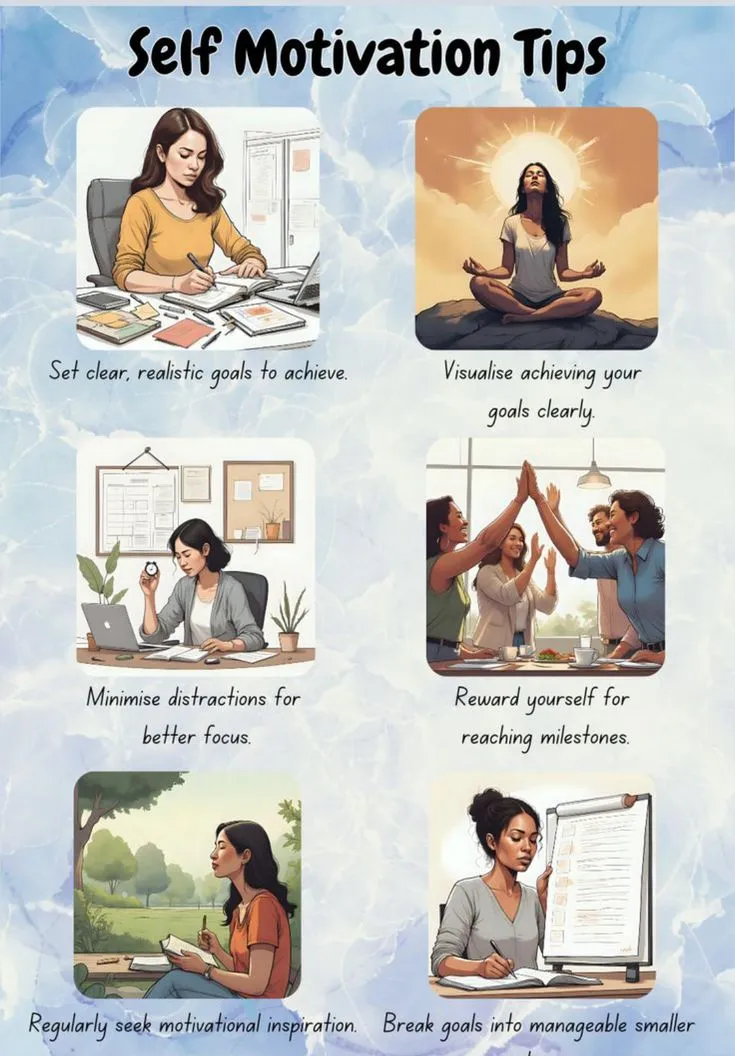
One of the best ways to stay motivated is by setting clear goals. Without a clear direction, it becomes difficult to understand what actions are needed to achieve success.
Goals provide purpose and help individuals measure progress. Whether the goal is related to career growth, education, health, or personal development, having a specific target makes efforts more focused.
Large goals can sometimes feel overwhelming, so breaking them into smaller steps can make them easier to manage. Completing small tasks creates a sense of achievement and encourages continued progress.
Meaningful goals are more motivating because they connect with personal values and long-term dreams.
Create a Positive Daily Routine
A structured routine can improve focus and make it easier to stay motivated. When important tasks become part of a daily schedule, people rely less on temporary motivation and more on consistent habits.
A good routine may include time for work, learning, exercise, relaxation, and personal activities.
Starting the day with organized planning can create a sense of control and reduce unnecessary stress.
Small positive habits, such as preparing tasks in advance, maintaining a clean workspace, and managing time effectively, can improve productivity and motivation.
Focus on Small Progress
Many people lose motivation because they focus only on big results and ignore small improvements.
Success is usually created through continuous small actions rather than sudden changes. Recognizing daily progress helps maintain confidence and encourages further effort.
For example, learning a few new concepts every day, improving a skill gradually, or completing small tasks consistently can lead to significant results over time.
Celebrating small achievements creates positive feelings and reminds individuals that their efforts are creating progress.
Develop Self-Discipline
Motivation can encourage action, but discipline helps maintain consistency.
There will be situations when people do not feel motivated, but self-discipline allows them to continue working toward their goals.
Developing discipline involves creating habits, managing distractions, and staying committed to responsibilities.
Simple practices such as following a schedule, completing important tasks first, and avoiding unnecessary delays can strengthen self-discipline.
Over time, disciplined actions become automatic habits that support long-term success.
Surround Yourself With Positive Influences
The people and environment around us can strongly affect motivation.
Positive relationships with supportive friends, family members, mentors, or colleagues can encourage confidence and personal growth.
Spending time with motivated and goal-oriented individuals can inspire better habits and new perspectives.
Similarly, creating a positive physical environment, such as an organized workspace, can improve concentration and productivity.
Reducing exposure to unnecessary negativity and distractions can help protect motivation.
Learn From Failures and Challenges
Failures are a natural part of personal growth. Many people lose motivation after experiencing setbacks, but challenges can provide valuable learning opportunities.
Instead of viewing failure as the end of progress, it can be seen as a chance to improve strategies and develop resilience.
Successful people often use mistakes as lessons that help them make better decisions in the future.
A growth mindset allows individuals to focus on improvement rather than becoming discouraged by temporary difficulties.
Maintain Physical and Mental Health
Physical and mental well-being play an important role in maintaining motivation.
Lack of sleep, poor nutrition, and constant stress can reduce energy levels and make it harder to stay focused.
Regular exercise, balanced meals, proper rest, and relaxation activities support better mood and productivity.
Taking care of mental health through mindfulness, hobbies, and healthy communication can also improve emotional strength.
A healthy body and mind create a stronger foundation for motivation.
Avoid Comparing Yourself With Others
Comparing personal progress with others can negatively affect motivation and confidence.
Every person has different goals, experiences, opportunities, and challenges. Focusing too much on others’ achievements can create unnecessary pressure.
Instead, individuals should measure progress based on their own journey and improvements.
Self-comparison encourages personal growth and helps people appreciate their efforts.
The goal should be becoming better than before rather than trying to follow someone else’s path.
Manage Distractions Effectively
Distractions are one of the biggest challenges to maintaining motivation.
Social media, unnecessary notifications, and poor time management can reduce focus and delay important tasks.
Creating specific work periods, limiting distractions, and prioritizing important activities can improve concentration.
A focused environment allows individuals to complete tasks more efficiently and maintain motivation.
Learning to control distractions is an important skill for achieving long-term goals.
Find Inspiration and Keep Learning
Continuous learning can increase motivation by creating curiosity and personal growth.
Reading books, listening to educational content, attending courses, and exploring new ideas can provide fresh inspiration.
Learning from successful individuals and understanding their experiences can encourage better decision-making.
Personal development is a continuous process, and gaining new knowledge helps maintain enthusiasm for improvement.
Reward Yourself for Achievements
Recognizing achievements is an important part of staying motivated.
Rewards create positive reinforcement and encourage individuals to continue working toward their goals.
Rewards do not need to be expensive or complicated. Simple activities such as taking a break, enjoying a hobby, or celebrating progress can be effective.
Acknowledging personal efforts creates confidence and makes the journey more enjoyable.
Stay Patient and Consistent
Motivation often decreases when people expect immediate results. Many goals require time, effort, and patience.
Consistency is more important than short periods of intense effort. Small actions performed regularly can create significant results over time.
Maintaining patience helps individuals continue working even when progress seems slow.
Long-term success comes from dedication, persistence, and the willingness to keep improving.
Conclusion
Staying motivated in daily life requires more than temporary excitement. It involves developing positive habits, setting meaningful goals, maintaining discipline, and creating an environment that supports growth.
By focusing on small progress, learning from challenges, managing distractions, taking care of health, and staying consistent, individuals can maintain motivation and move closer to success.
Motivation is not something that appears only during perfect situations. It is a skill that can be strengthened through daily actions and a positive mindset. With the right strategies and commitment, anyone can build the motivation needed to achieve personal and professional goals.
