
Kerala has taken a pioneering step in biodiversity conservation by launching India’s first statewide Red List Assessment of Ecosystems. The Kerala State Biodiversity Board is leading the initiative, which shifts the focus of conservation from protecting individual species in isolation to evaluating and managing entire ecosystems across the landscape. The project applies the globally recognised IUCN Red List of Ecosystems framework to assess the risk of ecosystem collapse throughout the state.
Purpose of the Ecosystem Red List Approach
Traditional conservation efforts have often concentrated on threatened species. While species protection remains essential, many of the pressures that endanger plants and animals — habitat loss, fragmentation, pollution, invasive species and climate change — act at the level of entire ecosystems. When an ecosystem degrades or collapses, the species that depend on it lose the conditions necessary for their survival.
The Red List of Ecosystems provides a standardised method to evaluate how close different ecosystem types are to collapse. It examines changes in distribution, ecological integrity, abiotic conditions and biotic processes. By assigning categories of risk comparable to those used for species, the assessment creates a clear picture of which habitats require urgent attention and where proactive management can prevent further decline.
Scope of the Kerala Project
The one-year assessment covers all 14 districts of Kerala, spanning high-altitude mountain summits in the Western Ghats to coastal and marine environments. Ecosystems under study include montane shola-grassland mosaics, evergreen and moist deciduous forests, rivers and riparian systems, floodplains, wetlands, mangroves, estuaries, beaches and dunes.
The project is implemented jointly by the Kerala Forest Research Institute and the Centre for Ecology, Taxonomy, Conservation and Climate Change at MES Asmabi College. Researchers leading the work will produce Kerala-specific ecosystem descriptions, maps, integrity indicators and risk categories based on the latest IUCN guidelines.
Expected Outputs and Practical Applications
Key deliverables include an official Risk Register of ecosystems, an Ecosystem Typology Atlas and ecorestoration priority maps. These products are designed to be integrated into state planning portals and made available to local Biodiversity Management Committees and panchayats. The information is intended to support spatial planning, guide restoration efforts, identify gaps in protected area coverage and inform updates to state and local biodiversity strategies.
By establishing a defensible baseline, the assessment will also enable future monitoring and repeated evaluations to track changes over time. This scientific foundation is expected to strengthen ecosystem-based adaptation measures and contribute to climate resilience planning across the state.
Why Kerala Needs This Assessment
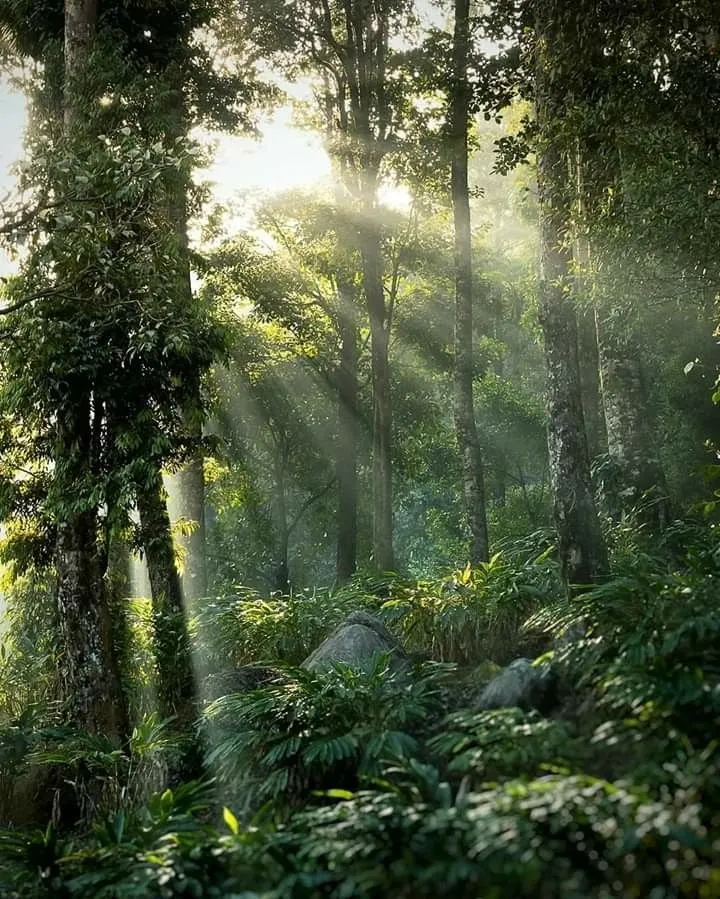
Kerala’s diverse ecosystems face multiple pressures from land-use change, urbanisation, invasive species, pollution and climate change. Certain habitats have already experienced severe declines. Tropical riparian evergreen forests in the southern Western Ghats, for example, have lost a substantial portion of their historical extent and face a high risk of further degradation. Unique systems such as Myristica swamps and coastal mangroves are similarly vulnerable.
Assessing these ecosystems systematically allows authorities and communities to move beyond reactive measures. Instead of responding only after species populations have already declined sharply, the Red List approach supports earlier intervention at the landscape scale. It helps prioritise actions that maintain ecological processes, connectivity and resilience.
Bridging Global Standards and Local Action
The project aligns Kerala’s conservation efforts with international standards while remaining grounded in local realities. The IUCN Red List of Ecosystems framework provides comparable categories that can inform both state-level policy and global reporting under frameworks such as the Kunming-Montreal Global Biodiversity Framework. At the same time, the results are intended for practical use by local institutions responsible for land-use decisions and community-based conservation.
The initiative forms part of broader efforts under the state’s environmental programmes to strengthen science-led governance of natural resources. By combining satellite imagery, field data, statistical analysis and geographic information systems, the assessment aims to produce robust, policy-relevant evidence.
Implications for Conservation Strategy
The shift from species-centred to ecosystem-centred assessment does not diminish the importance of protecting individual threatened species. Rather, it recognises that lasting conservation success depends on maintaining the habitats and ecological processes that sustain biodiversity. Healthy ecosystems also deliver essential services, including water regulation, carbon storage, coastal protection and support for livelihoods.
For Kerala, the Red List Assessment of Ecosystems represents a strategic investment in understanding the condition of its natural capital. The resulting risk register and priority maps will help decision-makers allocate resources more effectively, design restoration programmes that address root causes of degradation, and integrate ecological considerations into development planning.
Looking Ahead
As the assessment progresses across the state’s varied landscapes, it is expected to generate a clearer picture of ecosystem health and vulnerability. The findings will provide a foundation for more proactive, landscape-wide management that complements existing species conservation programmes. By establishing India’s first statewide ecosystem risk assessment of this kind, Kerala is setting a precedent that other states may eventually follow.
The ultimate goal is to move conservation practice toward a more comprehensive and forward-looking approach — one that safeguards not only individual species but the living systems on which they, and human communities, depend.
Read more – Peopleinfoz.com
