
Opposition parties have intensified their attack on the Election Commission of India following revelations of internal differences over the Special Intensive Revision of electoral rolls. Leaders across the spectrum have specifically targeted Chief Election Commissioner Gyanesh Kumar, demanding his removal, a Supreme Court-monitored probe into the functioning of the poll body, and an immediate pause on the SIR exercise.
The Trigger: Reported Internal Objections
The latest wave of criticism was sparked by a detailed report that two Election Commissioners had formally raised objections on multiple occasions over the past several months to key decisions linked to the SIR process. The objections reportedly covered issues such as the manner of voter deletions, changes related to Form 6, centralisation of the voter database, and the overall handling of electoral roll data.
Opposition parties interpreted these internal notes as evidence that major decisions were being driven without adequate collective deliberation. For the first time in the ongoing debate over electoral processes, many opposition leaders deliberately separated the institution of the Election Commission from the person of the Chief Election Commissioner, focusing their demand for accountability squarely on Kumar.
Key Demands from the Opposition
The opposition’s response crystallised around three main demands. First, that Gyanesh Kumar must step down or be removed from office. Leaders from the Congress, DMK, Trinamool Congress, Shiv Sena (UBT), Aam Aadmi Party and Left parties stated that he had “no right to continue” and that his continuation undermined public confidence in the electoral process.
Second, parties called upon the Supreme Court to intervene. Several leaders argued that the top court, which is already examining certain aspects of the SIR, should order a thorough, court-monitored investigation into the working of the Election Commission and the decisions taken during the revision exercise.
Third, there was a near-unanimous demand to halt the ongoing Special Intensive Revision. Opposition leaders contended that the process should be paused until the alleged irregularities and the internal differences are fully examined. Some went further, seeking the restoration of earlier versions of electoral rolls or even fresh elections in states where they claimed large-scale deletions had taken place.
Voices from Across the Opposition
Congress leaders described the developments as evidence of deep institutional damage and announced plans to pursue impeachment proceedings when Parliament next meets. They also pointed to a pending notice of removal submitted earlier in the year.
DMK president M.K. Stalin said the Chief Election Commissioner must resign and called for a fair probe into everything that had transpired within the Commission. Trinamool Congress leaders demanded strong action, with some calling for the CEC’s arrest. Shiv Sena (UBT) chief Uddhav Thackeray was among the most vocal, seeking the CEC’s removal and even raising the possibility of fresh polls using ballot papers in certain states.
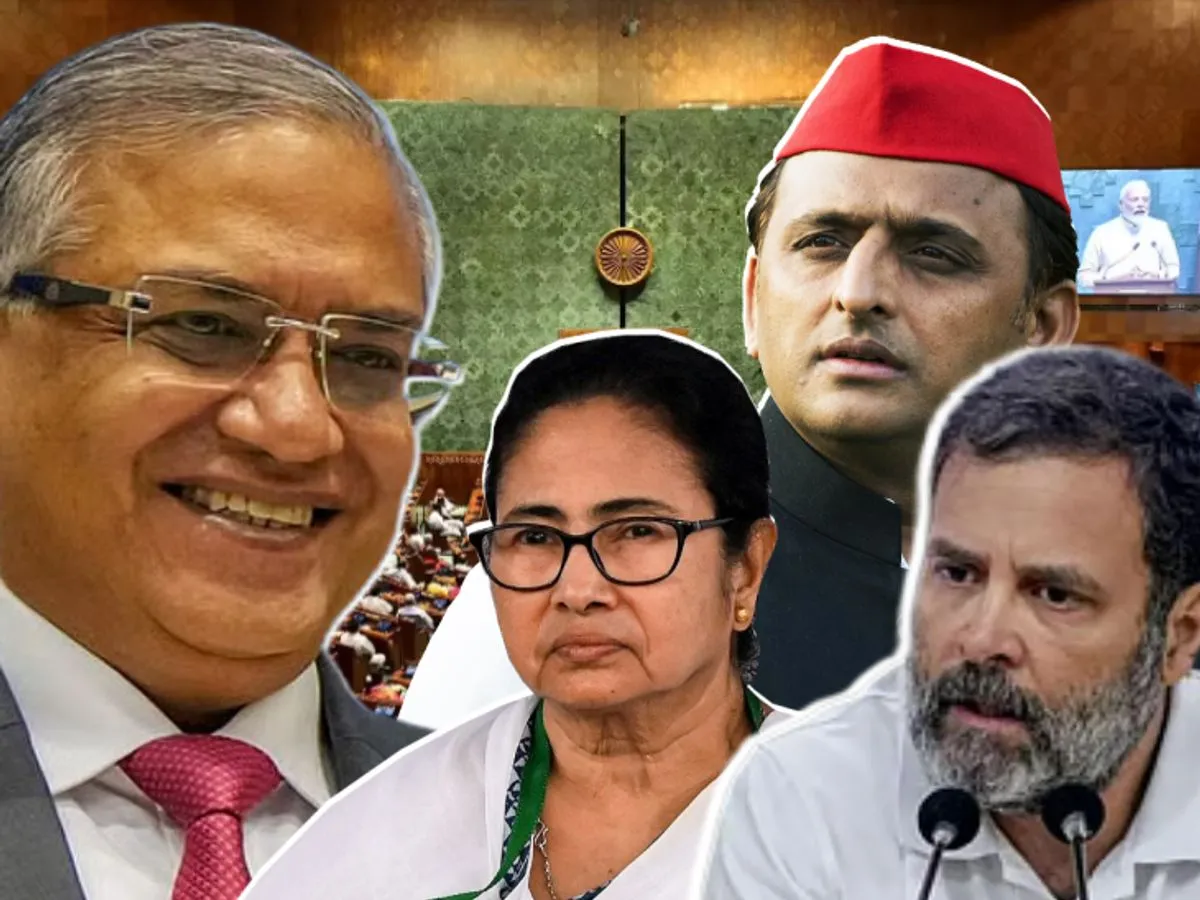
Leaders from the CPI(M), CPI, Samajwadi Party and AAP echoed the call for the SIR to be stopped and for greater judicial scrutiny of the Election Commission’s functioning. The cumulative message was that the reported internal dissent had converted long-standing political criticism into a constitutional concern requiring institutional remedy.
The Election Commission’s Position
The Election Commission responded by stating that the expression of differing views during internal deliberations is a normal part of institutional functioning. It maintained that final decisions, including those related to the SIR, were taken unanimously and that no formal dissent had been recorded against the ultimate orders.
The poll body has consistently defended the Special Intensive Revision as a necessary exercise to clean electoral rolls of ineligible entries and improve the accuracy of the voter list. Officials have previously argued that large-scale revisions inevitably involve scrutiny of millions of entries and that deletions follow due process.
Broader Political Context
Opposition criticism of the Election Commission has grown sharper with successive electoral outcomes. Allegations have ranged from faulty electoral rolls and selective enforcement of the Model Code of Conduct to concerns over the design and implementation of the SIR. Until the latest revelations, much of the attack was directed at the institution as a whole. The reported objections by two Commissioners allowed opposition parties to reframe the issue as one of individual accountability at the top while still questioning systemic processes.
The SIR itself has been contentious in several states, with claims of large-scale deletions of names and difficulties faced by voters, particularly first-time electors and those in vulnerable groups. Civil society organisations have also announced plans for protests, adding to the pressure on the Commission and the government.
Institutional Stakes
The Election Commission occupies a unique place in India’s constitutional scheme as an independent body charged with conducting free and fair elections. Public trust in its neutrality is foundational to the legitimacy of electoral outcomes. When differences within the Commission become public and are seized upon by political parties, the debate quickly moves beyond administrative procedure into questions of institutional integrity.
The opposition’s demand for Supreme Court intervention reflects a belief that only the judiciary can now restore confidence. At the same time, the Commission’s insistence that internal discussion is healthy and that decisions were collective underscores its effort to project continuity and collegiality.
What Lies Ahead
The coming days are likely to see continued political mobilisation around these demands. Opposition parties have signalled that they will coordinate both inside and outside Parliament. Any move towards formal removal proceedings would require significant numbers in the Rajya Sabha and would itself become a major political battle.
Meanwhile, the Special Intensive Revision remains a live administrative process in various parts of the country. Whether the Election Commission modifies its approach, whether the Supreme Court expands its scrutiny, and whether the political temperature around the issue subsides or escalates will shape the next phase of this confrontation.
The reported divide within the Election Commission has given the opposition a sharper focus for its long-running critique. By concentrating fire on the Chief Election Commissioner, calling for judicial oversight and demanding a pause on the SIR, opposition parties have sought to turn an internal institutional matter into a national debate on the health of India’s electoral democracy. The response of the courts, the Commission and the political system will determine how this challenge is resolved.
Read more – wellposhan.com
