
Rice is a staple food enjoyed by billions around the world. Yet many home cooks struggle to achieve consistently fluffy, tender grains that are light and full of flavor. Whether you are serving rice alongside curries, stir-fries, grilled proteins, or enjoying it on its own, mastering the art of cooking rice can transform simple meals into something special. This complete guide brings together proven techniques to help you cook perfect rice every time. By focusing on proper rinsing, accurate water ratios, gentle heat management, and adequate resting time, you can avoid common pitfalls and enjoy restaurant-quality results at home.
Understanding Different Types of Rice
Different varieties of rice behave uniquely during cooking due to their grain length, starch content, and structure. Long-grain rice, such as basmati and jasmine, is prized for its fluffy texture and separate grains. Basmati grains elongate beautifully during cooking, while jasmine offers a subtle floral aroma that pairs well with many Asian dishes.
Medium-grain rice tends to be plumper and slightly stickier, making it suitable for pilafs or casseroles. Short-grain rice, including sushi rice and Arborio, contains more amylopectin starch. This creates a creamy, cohesive texture ideal for risotto, sushi, or rice puddings. Brown rice retains its bran layer, delivering a nutty flavor and chewy bite, though it requires more water and longer cooking times. Wild rice or black rice can add appealing color and texture to dishes. Choosing the right type for your recipe is the first step toward success.
Essential Tools and Preparation Steps
Successful rice cooking starts with the right equipment and preparation. A heavy-bottomed saucepan with a tight-fitting lid works best for stovetop methods because it traps steam evenly. Electric rice cookers provide consistent results with minimal effort. A fine-mesh strainer makes rinsing easy and efficient.
The most important preparation step is rinsing the rice. Place the measured rice in a bowl or strainer and rinse under cold running water while gently swishing the grains. Continue until the water runs mostly clear, which usually takes two to six rinses depending on the variety. This process removes excess surface starch that can cause gumminess. For basmati or sushi rice, consider soaking the rinsed grains in fresh water for 15 to 30 minutes to promote even hydration and better texture. Always measure rice and water accurately using the same cup or a kitchen scale for repeatable results. Remember that one cup of uncooked rice generally yields about three cups of cooked rice.
Stovetop Absorption Method: The Classic Technique
The absorption method is a reliable way to achieve fluffy rice on the stovetop. Begin by rinsing and optionally soaking the rice. Combine the prepared rice, water, and a pinch of salt in your pot. Use these general ratios as starting points and adjust slightly based on the specific brand and your preferences.
For long-grain white rice such as basmati or jasmine, use one part rice to 1.5 parts water. Short-grain white rice works well with a 1 to 1.25 ratio. Brown rice typically needs one part rice to two or 2.5 parts water. Bring the mixture to a boil over medium-high heat. Give it one gentle stir if necessary, then reduce the heat to low, cover the pot tightly, and let it simmer.
White rice usually takes 12 to 18 minutes, while brown rice requires 35 to 45 minutes. Avoid lifting the lid during cooking to keep the steam inside. Once the cooking time ends, remove the pot from the heat and allow the rice to rest, still covered, for 5 to 15 minutes. This resting period lets residual heat finish the cooking process and helps moisture distribute evenly throughout the grains. Finally, fluff the rice gently with a fork. Avoid vigorous stirring, which can break the grains and make the rice dense.
Alternative Cooking Methods for Convenience
A rice cooker offers a hands-off approach. Simply rinse the rice, add it to the cooker with the appropriate water amount according to the machine’s markings or a 1 to 1.1–1.25 ratio for white rice, and select the correct setting. The appliance handles the rest for dependable results.
The oven method is excellent for larger batches or when you want truly uniform cooking. Preheat your oven to 375°F. Combine rinsed rice and boiling water with salt in a baking dish or Dutch oven. Cover tightly with foil and bake for 20 to 35 minutes for white rice, or longer for brown varieties. The even surrounding heat minimizes the risk of scorching or uneven spots.
For quick small portions, the microwave can work. Rinse the rice, combine it with slightly more water, cover, and cook in stages on high and then medium power. While convenient, this method may produce slightly less flavorful rice compared to stovetop or oven techniques. The boiling or pasta-style method involves cooking rice in excess salted water and then draining it, which is useful for big batches but can result in some loss of subtle flavors.
Pro Tips for Achieving Fluffy Rice
Several small details make a big difference in the final texture. Always use a tight-fitting lid and maintain a gentle simmer to control evaporation. Never skip the resting step, as it is essential for light, separate grains. You can enhance flavor by adding a small amount of oil or butter to help grains stay separate, or include aromatics like a bay leaf or whole spices during cooking.
For sushi rice, prepare a seasoning mixture of rice vinegar, sugar, and salt after cooking and fold it in gently while the rice is still warm. Stick with one variety and brand until you master its behavior. Some experienced cooks use the finger test, where water level reaches the first knuckle above the rice surface, as a quick ratio guide. Experiment gradually to find what works best in your kitchen.
Common Mistakes and How to Fix Them
Many people end up with sticky or mushy rice because they skip rinsing, which leaves excess starch on the grains. Always take the time to rinse properly. Using the wrong water ratio is another frequent error. Too much water produces soggy rice, while too little leaves hard, undercooked centers. Measure carefully and adjust based on rice type.
Cooking on high heat throughout or frequently lifting the lid releases steam and causes uneven results or burning. Stirring during cooking also releases more starch and leads to gumminess. Use low heat after the initial boil and resist the urge to peek. Using the wrong pot size or a thin-bottomed pan can cause overflow or scorching. Choose appropriate equipment and give the rice space to expand.
If rice turns out mushy, spread it on a tray to cool and dry slightly. For undercooked rice, add a small splash of hot water, cover, and let it rest longer. These simple corrections often salvage the batch.
Flavor Variations and Serving Suggestions
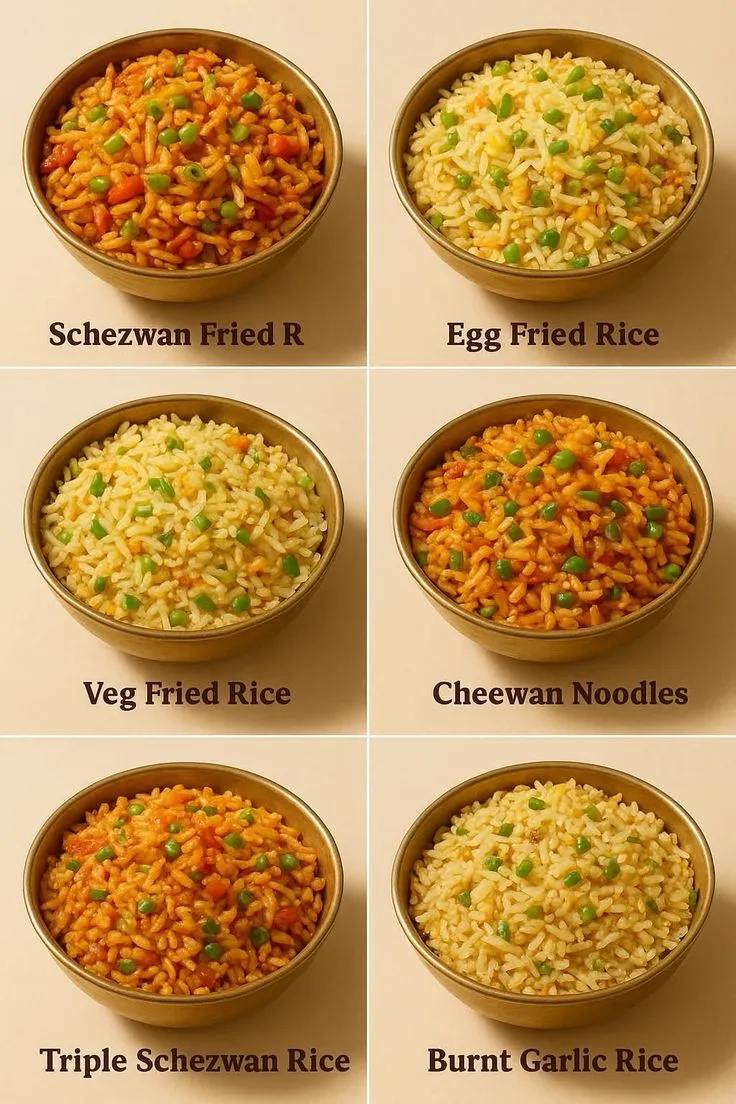
Plain rice is versatile, but you can easily customize it. Cook rice in broth instead of water for richer taste, or use coconut milk for a creamy, tropical twist. Saffron or turmeric adds beautiful color and aroma. Fluffy basmati rice complements Indian curries beautifully, while jasmine rice shines with Thai or Southeast Asian flavors. Brown rice adds nutrition and texture to grain bowls. Day-old rice is perfect for fried rice dishes because it has dried slightly and separates well when stir-fried.
Storage and Reheating Best Practices
Allow cooked rice to cool quickly before storing it in airtight containers in the refrigerator for up to four or five days. For longer storage, freeze portions for up to six months. When reheating, add a splash of water and warm gently in the microwave or steamer to restore moisture without drying out the grains. Never leave cooked rice at room temperature for extended periods to maintain food safety.
Cooking perfect rice is a skill built on attention to a few key fundamentals: thorough rinsing for cleanliness, precise ratios for balance, controlled low heat for even cooking, and patient resting for ideal texture. With practice using these methods, you will gain confidence and intuition. Soon, every pot of rice you prepare will be light, fluffy, aromatic, and delicious, making it a standout component of any meal rather than just a simple side.
