
As Delhi prepares for another winter of hazardous air quality, a striking imbalance in public health protection deserves urgent attention. The city and the national programme provide free pneumococcal vaccination to infants, shielding them from a dangerous bacterial infection. Their grandparents, who face a far higher risk of severe illness and death from the same disease, are left to navigate an expensive private market. In a season when polluted air already stresses every respiratory system, this gap is both inequitable and preventable.
The Disease and Its Uneven Burden
Pneumococcal disease, caused by the bacterium Streptococcus pneumoniae, can lead to pneumonia, bloodstream infections and meningitis. While it affects people of all ages, the consequences grow sharply more serious with advancing years. Older adults experience higher rates of hospitalisation, complications and mortality. Age-related decline in immune function, combined with the frequent presence of chronic conditions such as diabetes, heart disease or chronic lung disease, leaves many grandparents far more vulnerable than the infants who currently receive free protection.
India’s Universal Immunisation Programme has successfully incorporated pneumococcal conjugate vaccine for children, recognising the importance of early protection. That decision has saved lives and reduced the burden of severe childhood pneumonia. Extending comparable logic to older adults has not followed at the same pace. For most elderly citizens, the vaccine remains a private expense, placing it out of reach for large numbers of families.
Winter Pollution as a Risk Multiplier
Delhi’s winter air is not merely unpleasant; it is biologically hostile. Fine particulate matter and other pollutants inflame the airways, impair the clearance mechanisms of the lungs and weaken local immune defences. The result is an environment in which respiratory pathogens find it easier to establish infection and in which existing infections more readily progress to severe disease.
Pneumococcal bacteria are among the beneficiaries of this damaged landscape. What might remain a milder illness in cleaner air can escalate more quickly when the respiratory tract is already compromised. Hospitals in the region routinely see surges in respiratory admissions during high-pollution months. Vaccination cannot clean the air, but it can reduce the likelihood that exposure to that air ends in preventable bacterial pneumonia or invasive disease.
The Case for Adult Vaccination
Medical guidelines in India and internationally recommend pneumococcal vaccination for older adults. Many expert groups now advise consideration from age 50 or 60 onward, and strongly recommend it for anyone with chronic health conditions regardless of age. The vaccines available protect against the serotypes most commonly responsible for serious disease and have demonstrated reductions in hospitalisation and death in older populations.
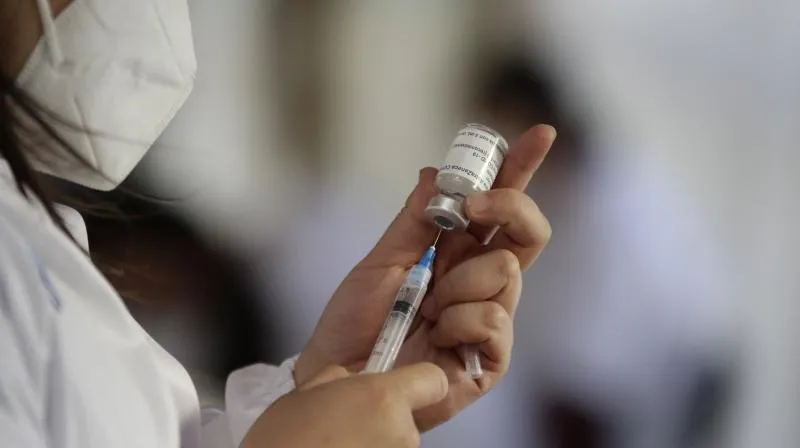
Despite this consensus, adult vaccination coverage in India remains extremely low. Studies have shown that only a tiny fraction of adults receive recommended immunisations such as pneumococcal, influenza or other routinely advised vaccines. Awareness gaps, cost barriers, limited integration into routine adult healthcare, and the absence of a strong public programme all contribute to the shortfall.
Equity and Intergenerational Fairness
The current policy creates a quiet intergenerational imbalance. A grandchild receives free, timely protection at the local health centre. A grandparent seeking the same protection must locate a private provider, pay the full cost, and often navigate uncertain advice about which vaccine and schedule is appropriate. For families already managing the health and financial pressures of ageing, the additional outlay can be prohibitive.
This is not an argument against vaccinating children. Childhood immunisation remains one of the highest-yield public health investments. It is an argument for recognising that the same bacterium threatens older citizens more lethally, and that a city which routinely records some of the world’s worst air quality has a heightened responsibility to protect those most susceptible to its effects.
Practical Pathways Forward
Several steps could begin to close the gap. Public procurement and free or heavily subsidised provision of pneumococcal vaccine for adults above a defined age, or for those with documented risk conditions, would immediately expand access. Integration of adult vaccination into existing primary health and geriatric services would normalise the practice. Targeted awareness campaigns ahead of winter, delivered through the same channels used for child immunisation, could raise demand and reduce hesitancy.
Cost-effectiveness analyses in other settings have shown that vaccinating older adults against pneumococcal disease reduces hospital admissions and associated expenses. In a health system that already strains under seasonal surges of respiratory illness, preventing even a fraction of severe cases would relieve pressure on beds, oxygen and clinical staff.
A Preventive Opportunity
Delhi cannot solve its air-quality crisis before the coming winter. It can, however, strengthen the biological resilience of its most vulnerable residents. Offering pneumococcal vaccination to grandparents with the same seriousness currently extended to their grandchildren would be a concrete, evidence-based measure. It would acknowledge that the right to protection from a vaccine-preventable disease does not expire at childhood, and that environmental risk amplifies the duty to act.
The polluted winter air will arrive regardless. Whether it finds the city’s older adults partially shielded or fully exposed remains a matter of policy choice. Aligning adult vaccination policy with the reality of both ageing and air quality would be a timely and humane correction—one that treats the health of grandparents as deserving of the same public commitment long afforded to the youngest generation.
Read more – Trubondlife.com
