
India has summoned Pakistan’s senior-most diplomat in New Delhi and formally protested what it described as the “unacceptable and unprofessional conduct” of Pakistani naval units after a collision involving warships of the two countries in international waters. The Ministry of External Affairs stated that the incident occurred on the evening of 15 September 2026 in the North Arabian Sea and did not result in any major damage to the Indian vessel. India has also instructed its Charge d’Affaires in Islamabad to register a parallel protest with Pakistan’s Ministry of Foreign Affairs.
Details of the Incident
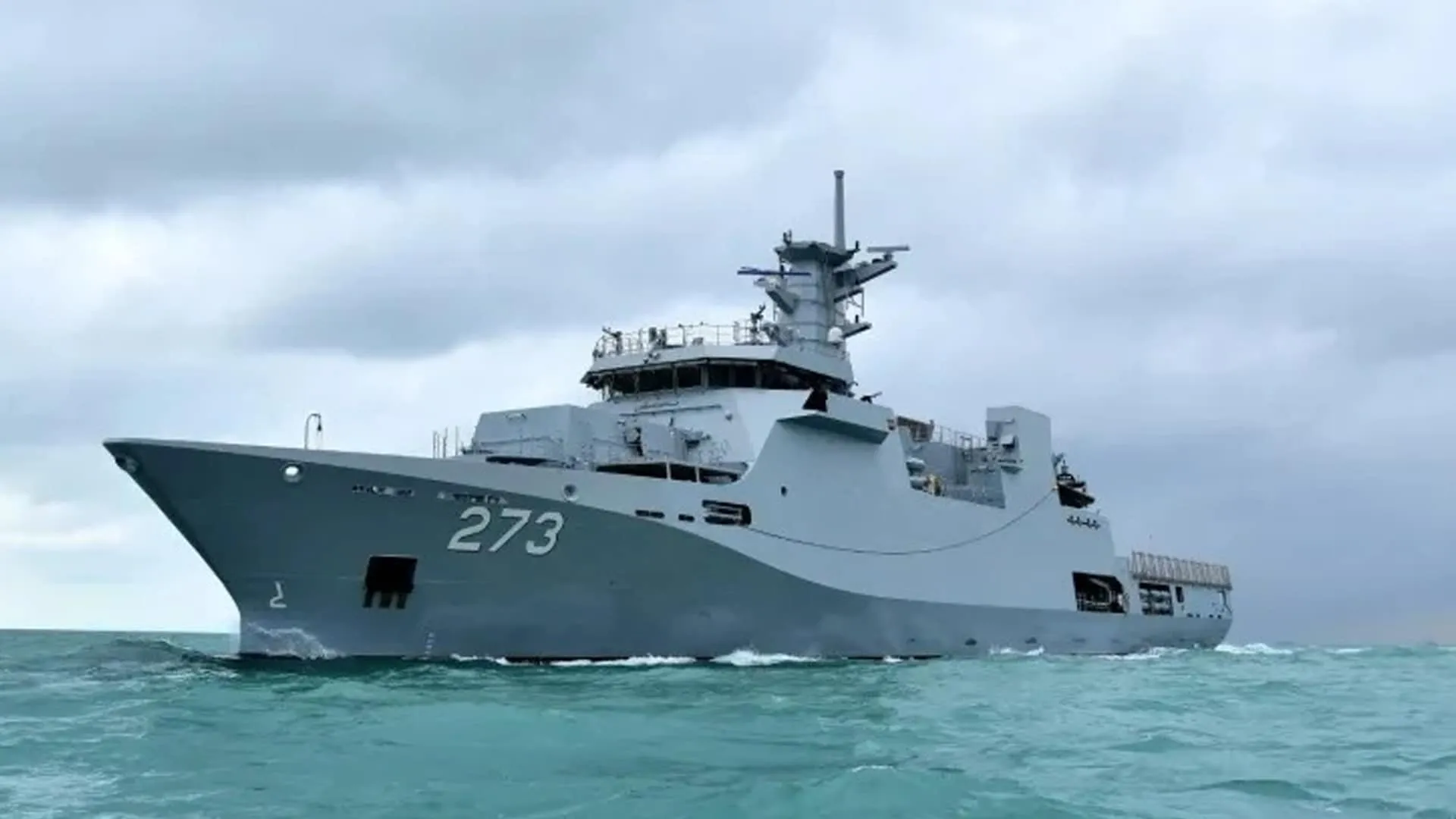
According to official Indian accounts and sources familiar with the matter, a Pakistani naval ship closed in at high speed on a frontline Indian Navy warship that was engaged in a routine surveillance mission. The Pakistani vessel is reported to have manoeuvred in an unsafe and unprofessional manner, resulting in the collision. The event took place in international waters in the northern Arabian Sea. Indian authorities have confirmed that the Indian warship sustained no significant damage.
The Ministry of External Affairs characterised the conduct of the Pakistani naval unit as a direct contravention of established bilateral norms governing the behaviour of military platforms at sea. By summoning the Pakistani Charge d’Affaires the following day, New Delhi signalled that it viewed the episode as a serious breach requiring formal diplomatic communication.
The 1991 Agreement and Article 10
At the heart of India’s protest is Article 10 of the Agreement between India and Pakistan on Advance Notice on Military Exercises, Manoeuvres and Troops Movements, signed in April 1991. This provision states that naval ships and submarines belonging to either country are not to close to less than three nautical miles from each other while operating in international waters, specifically to avoid accidents.
The three-nautical-mile separation rule is a practical confidence-building measure designed to reduce the risk of unintended incidents when the navies of the two nuclear-armed neighbours operate in proximity on the high seas. India’s statement explicitly linked the collision to a violation of this clause, underscoring that the Pakistani ship’s high-speed approach and subsequent manoeuvres fell short of the agreed standard of care.
The broader 1991 agreement also contains provisions on advance notification of major military exercises and movements. While the current incident primarily engages the distance rule for naval vessels, India’s reference to the agreement as a whole reinforces the expectation that both sides will adhere to the full set of mutually agreed safety and transparency measures.
Diplomatic Steps Taken
On 16 September 2026, the Charge d’Affaires of the High Commission of Pakistan in New Delhi was summoned to the Ministry of External Affairs. A strong protest was lodged regarding the conduct that led to the collision. The Pakistani diplomat was advised to convey to the relevant authorities in Islamabad the need for all military units to observe due care and to respect the provisions of the relevant bilateral agreements in order to prevent any recurrence.
Simultaneously, India directed its own Charge d’Affaires in Islamabad to deliver a matching protest to Pakistan’s Ministry of Foreign Affairs. This dual-track approach—raising the matter both in New Delhi and in Islamabad—reflects standard diplomatic practice when seeking to ensure that the message reaches the appropriate levels of the other government.
It is relevant to note that India and Pakistan have not exchanged ambassadors since the downgrading of diplomatic relations in 2019. Missions in both capitals have since been headed by Charges d’Affaires. The summoning of the senior-most available Pakistani diplomat in New Delhi is therefore the highest formal channel currently available for such a protest.
Context of Broader Relations
The collision marks the first reported instance of overt military friction between the two countries at sea since a brief but intense four-day military confrontation in 2025 that raised regional and international concerns before a ceasefire took hold. In that broader context, even an incident that caused no major material damage carries political and strategic weight.
Naval activity in the Arabian Sea is routine for both countries. Indian warships regularly conduct surveillance and presence missions in the region, while Pakistani naval units also operate in the same waters. The existence of a specific distance rule in the 1991 agreement reflects long-standing recognition that proximity of naval platforms can create risks if not managed carefully. India’s emphasis on professional conduct and adherence to agreed norms seeks to reinforce those safeguards.
Implications and the Path Ahead
India’s public statement and formal demarche serve several purposes. They place the incident on the official record, assert that the Pakistani vessel’s actions fell short of agreed standards, and call for corrective behaviour by Pakistani military units. By stressing the absence of major damage while still registering a strong protest, New Delhi has calibrated its response to the facts of the collision while making clear that breaches of safety protocols will not be overlooked.
For both sides, the episode underlines the continuing importance of the 1991 confidence-building measures. Mechanisms designed to prevent accidents and miscalculation remain relevant more than three decades after they were agreed. Consistent adherence to minimum separation distances, professional ship-handling and clear communication protocols reduces the likelihood that routine operations escalate into diplomatic or operational crises.
Pakistan has not issued an immediate detailed public response in the available reporting. The absence of a prompt official reply from Islamabad leaves the Pakistani perspective on the sequence of events and responsibility for the collision unstated at this stage. Further clarification from Pakistani authorities would help complete the public record.
Maintaining Stability at Sea
Incidents at sea between the Indian and Pakistani navies are not unprecedented, but each occurrence tests the resilience of existing bilateral arrangements. The 1991 agreement was crafted precisely to manage the risks inherent in the simultaneous presence of both countries’ naval forces in international waters. When those rules are perceived to have been breached, formal protest becomes a tool for reasserting expectations and seeking compliance.
India’s decision to summon the Pakistani Charge d’Affaires and to instruct its own diplomat in Islamabad to raise the matter reflects a preference for structured diplomatic channels over more escalatory responses. The emphasis on preventing recurrence suggests that New Delhi’s immediate priority is the restoration of disciplined conduct at sea rather than broader confrontation.
The collision itself caused no major damage and occurred during what India has described as a routine surveillance mission. Yet the formal protest signals that professional standards and agreed distances are non-negotiable. How both navies and their governments respond in the coming days will determine whether the episode remains an isolated incident or becomes a source of sustained friction. Adherence to the letter and spirit of the 1991 agreement offers the clearest path to ensuring that similar events are avoided in the future.
Read more – pokerslive.com
