
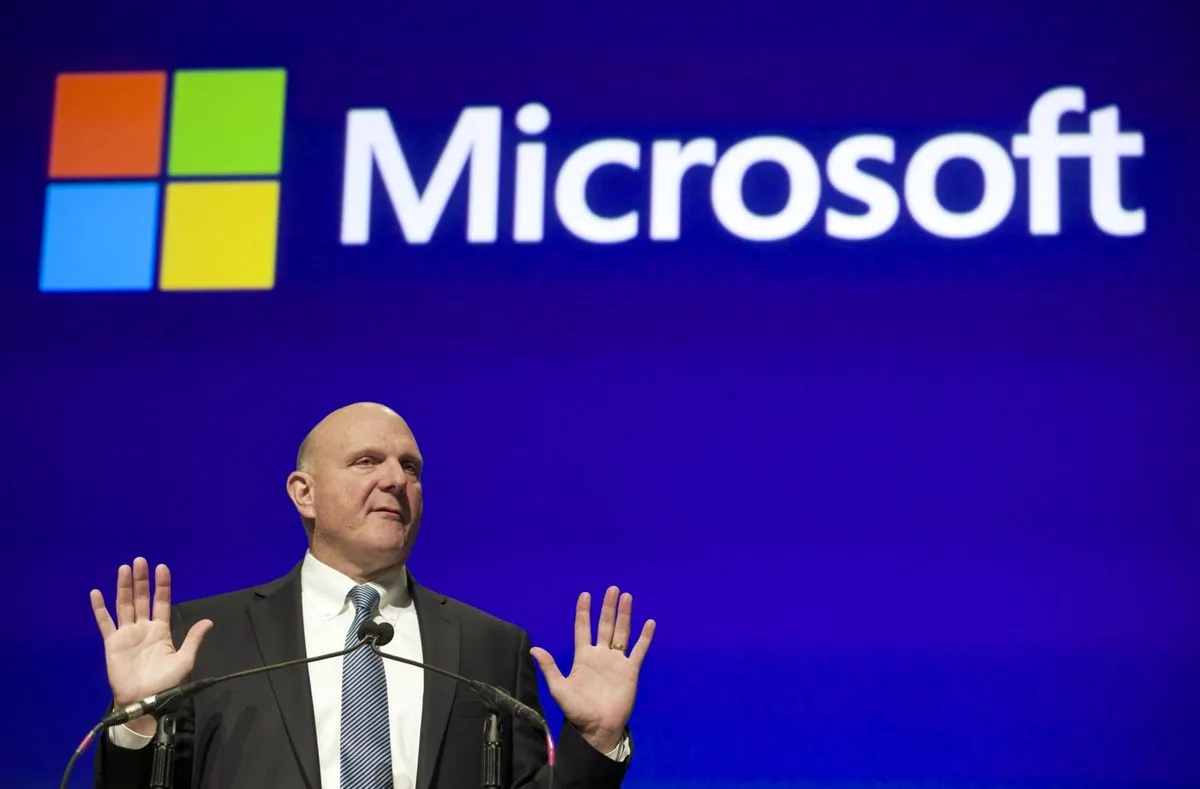
Microsoft has extended voluntary exit packages to approximately 60,000 eligible employees across the United States, Canada, the United Kingdom and India. The offer, described by the company as a Voluntary Exit Offer, allows staff at certain levels in participating teams to leave with financial support and career transition resources. A former principal product manager has publicly defended the decision, arguing that the company needs fewer people to operate more effectively in an artificial intelligence-driven environment.
Merill Fernando, who worked at Microsoft for six years before departing three months earlier to launch his own company, shared his perspective shortly after the announcement. He acknowledged the personal impact of workforce reductions on employees and their families but maintained that organisational complexity had become a barrier to progress.
Details of the Voluntary Exit Offer
The programme is available to employees at level 70 and below in selected organisations within the four countries. Level 70 includes senior roles such as general managers and some staff with vice president titles, though not the highest corporate vice president ranks. Participation is not universal across the company. Teams in areas including gaming, Windows, Copilot, human resources and finance are fully involved, while others such as marketing, commercial business and security are excluded. Artificial intelligence, legal and cloud groups are participating only partially.
Eligible employees received individualised details by email and have until early December to decide. Those who accept are expected to leave by the end of the year. The financial terms align with Microsoft’s standard severance arrangements and vary by internal level, tenure and location. Packages typically include weeks of base pay calculated according to service length, continued stock vesting for a defined period and health coverage support. Career planning resources form part of the offer as well.
Microsoft employs roughly 223,000 people worldwide, so the eligible group represents more than a quarter of the total workforce. The company has emphasised that the figure reflects those who may consider the option rather than a target number of departures. Chief People Officer Amy Coleman described the initiative as a way to give employees considering a future outside the organisation greater flexibility while allowing teams to adjust staffing according to business needs.
A Former Insider’s Perspective
Fernando’s comments focused on structural issues he observed during his time at the company. He described an environment of numerous small organisations, multiple management layers and silos that slowed decision-making and product adoption. As an illustration, he pointed to the introduction of managed identities by the Entra team in 2017, a security improvement that eliminated the need for secrets in code. Widespread internal adoption took years and required the impetus of a major security incident and subsequent company-wide initiative before most Microsoft applications and services supported the feature.
In Fernando’s view, such delays would be significantly reduced in an organisation that relies more heavily on AI agents and operates with leaner teams. He argued that Microsoft already possesses strong advantages in customers, infrastructure and scale. What it requires, he suggested, is a reduction in headcount combined with deeper integration of agentic AI tools that can coordinate work across groups more efficiently.
He also noted that smaller, more agile AI-focused companies such as OpenAI and Anthropic appear able to move faster in product development and release cycles. Keeping pace with those competitors, according to Fernando, demands a different operating model.
Broader Context of Workforce Adjustments
The voluntary exit offer follows earlier efforts by Microsoft to manage its workforce size. The company had previously conducted rounds of involuntary layoffs and introduced a voluntary retirement programme for a smaller group of eligible employees based on age and tenure. The latest programme expands the voluntary pathway and reaches a much larger pool of staff without imposing age or performance criteria.
Microsoft has been investing heavily in artificial intelligence infrastructure and product development. Industry observers have linked the series of workforce actions to the need to reallocate resources toward AI priorities while controlling overall costs. Company statements have framed the changes as responses to evolving business requirements rather than simple headcount reduction driven solely by automation.
Implications for Employees and the Organisation
For those who receive the offer, the decision involves weighing financial support and transition assistance against the uncertainty of leaving a large, established employer. Because acceptance is voluntary, individuals can choose based on personal circumstances, career goals and confidence in the broader job market.
From an organisational standpoint, successful uptake could allow Microsoft to reduce layers of management and internal coordination overhead. Fewer decision points and clearer accountability might accelerate the adoption of new tools and practices. At the same time, the company must retain critical talent in high-priority areas and ensure that remaining teams can absorb necessary work without disruption to customers or product roadmaps.
The approach of offering voluntary packages rather than additional involuntary cuts may help preserve morale among those who stay, though the scale of eligibility inevitably creates uncertainty across many groups. Fernando’s remarks highlight a tension that many large technology firms currently face: balancing the human cost of restructuring against the competitive pressure to operate with greater speed and efficiency.
As the deadline for decisions approaches, the number of employees who ultimately accept the offer will provide a clearer picture of how widely the voluntary path is embraced. Microsoft has indicated it has no immediate plans for another similar programme. The outcome of this round will therefore influence both the company’s near-term headcount trajectory and the internal conversation about how best to organise work in an era increasingly shaped by artificial intelligence.
Read more – Marathidailyquotes.com
