
Financial well-being extends beyond earning money—it requires developing consistent habits that promote wise spending, saving, and investing. Many people struggle with money management due to lack of structure rather than insufficient income. This comprehensive guide provides practical strategies to build sustainable money management habits, helping individuals gain control over their finances and work toward long-term security and freedom.
Understanding the Foundation of Money Management
Effective money management begins with mindset shifts and basic principles. Tracking every dollar reveals spending patterns and identifies areas for improvement. Many financial experts recommend starting with awareness before implementing complex systems. Understanding cash flow—money coming in versus going out—creates the foundation for all other habits.
Distinguishing between needs and wants helps prioritize spending. Needs include housing, food, transportation, and healthcare, while wants encompass discretionary items like dining out or entertainment. Creating clear boundaries between these categories prevents lifestyle inflation as income grows. Building an emergency fund covering three to six months of essential expenses provides security against unexpected events like job loss or medical bills.
Step 1: Creating and Following a Realistic Budget
Budgeting forms the cornerstone of financial control. Begin by calculating total monthly income from all sources. List fixed expenses like rent, utilities, and loan payments, then estimate variable costs such as groceries and transportation. The 50/30/20 rule offers a simple framework—50% of income for needs, 30% for wants, and 20% for savings and debt repayment.
Multiple budgeting methods suit different personalities. The zero-based approach assigns every dollar a specific purpose, ensuring no money goes unaccounted for. Envelope systems work well for cash-based spending categories, providing tangible limits. Digital tools and apps can automate tracking and categorization for those preferring technology solutions.
Review and adjust budgets monthly as circumstances change. Life events like salary increases, new family members, or moving require corresponding modifications. Regular review prevents budgets from becoming outdated and ineffective. Treat budgeting as a flexible tool rather than rigid restriction, adjusting as needed while maintaining overall financial discipline.
Step 2: Developing Smart Saving Habits
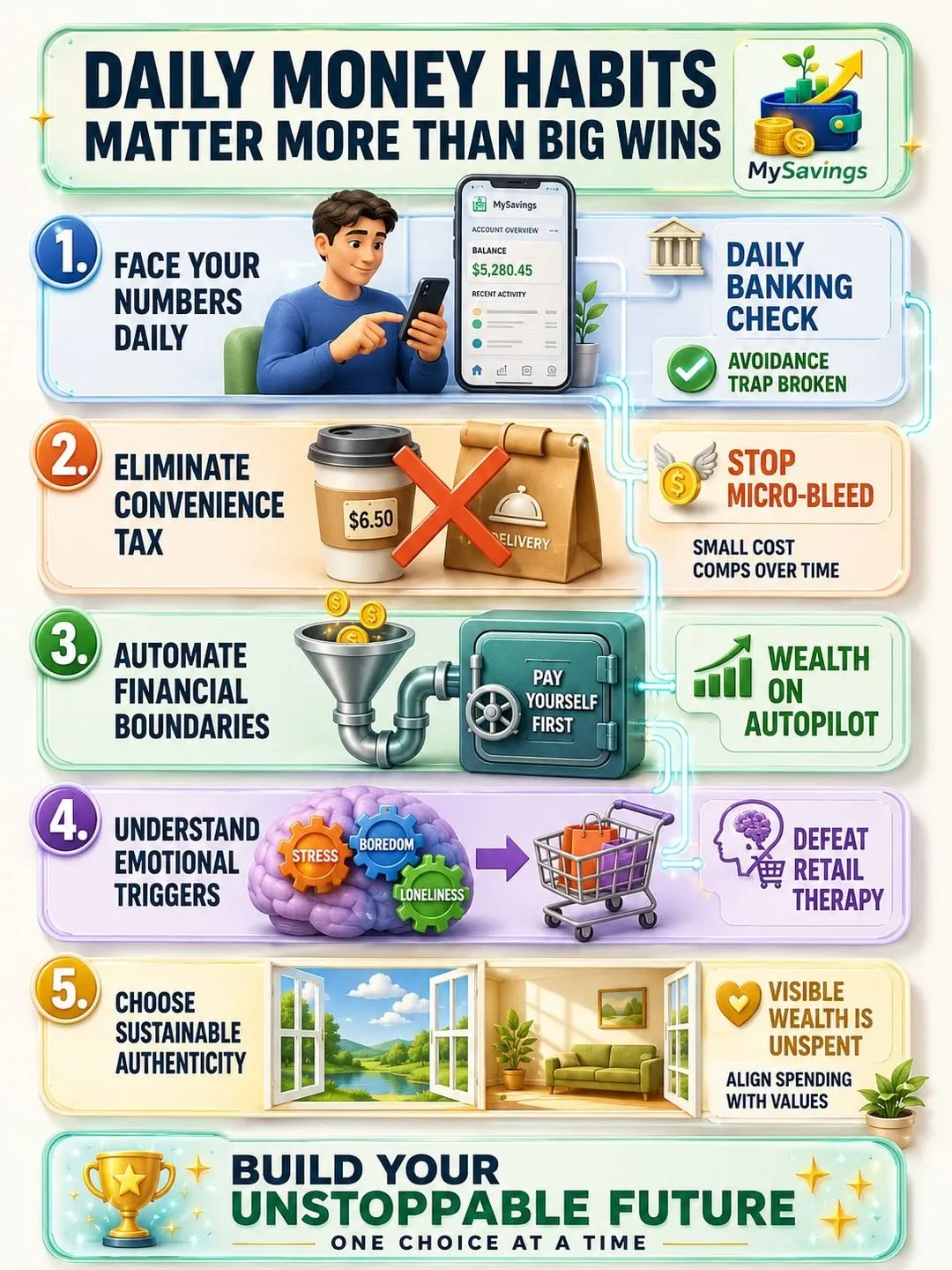
Consistent saving transforms financial futures. Automate transfers to savings accounts immediately after receiving income to avoid spending temptation. High-yield savings accounts maximize growth through better interest rates. Start small if necessary—even modest amounts compound significantly over time through regular contributions.
Multiple savings goals help maintain motivation. Emergency funds provide security, while dedicated accounts for vacations, home purchases, or retirement create tangible progress markers. The “pay yourself first” principle prioritizes savings before other expenses, ensuring consistent progress regardless of monthly spending variations.
Windfalls like tax refunds or bonuses offer opportunities for accelerated saving. Rather than spending these amounts, direct portions toward high-priority goals. This approach prevents lifestyle creep and builds substantial financial cushions faster than regular income alone allows.
Step 3: Managing and Reducing Debt Effectively
Debt management significantly impacts financial freedom. Distinguish between good debt, such as mortgages or student loans that build assets or increase earning potential, and bad debt like high-interest credit cards that drain resources. Prioritize paying off high-interest debt first while making minimum payments on lower-rate obligations.
Debt snowball and debt avalanche methods offer proven approaches. The snowball method focuses on smallest balances first for psychological wins, while the avalanche method targets highest interest rates for mathematical efficiency. Choose the approach that best maintains motivation for your personality.
Avoid new debt while repaying existing obligations. This requires honest assessment of spending triggers and development of alternative coping mechanisms. Building emergency funds reduces reliance on credit cards during unexpected expenses. Negotiating with creditors or consolidating loans at lower rates can accelerate payoff timelines.
Step 4: Building Investment Knowledge and Habits
Investing accelerates wealth building beyond what saving alone achieves. Begin with employer-sponsored retirement accounts offering matching contributions—these represent free money that significantly boosts long-term growth. Individual retirement accounts provide additional tax advantages for those without workplace options.
Diversification spreads risk across different asset types including stocks, bonds, and real estate. Index funds and exchange-traded funds offer broad market exposure with lower fees than individual stock picking for most beginners. Understanding risk tolerance helps select appropriate investment mixes balancing growth potential with volatility comfort levels.
Dollar-cost averaging—investing fixed amounts regularly regardless of market conditions—reduces timing risks and builds discipline. Compound interest works powerfully over decades, making early and consistent investing particularly valuable. Regular portfolio reviews ensure alignment with changing goals and risk tolerance as life circumstances evolve.
Step 5: Protecting Finances Through Insurance and Estate Planning
Insurance protects against catastrophic financial losses. Health, auto, homeowners or renters, and life insurance form essential coverage areas. Review policies annually to ensure adequate protection at reasonable costs. Disability insurance deserves particular attention as it replaces income during inability to work due to illness or injury.
Estate planning, even for those without substantial assets, ensures wishes are followed and loved ones face fewer complications. Basic documents like wills, powers of attorney, and beneficiary designations provide important protections. As financial situations grow more complex, professional guidance helps navigate tax implications and distribution strategies.
Step 6: Continuous Learning and Adaptation
Financial habits require ongoing attention as life changes. Regular financial check-ins assess progress toward goals and identify necessary adjustments. Books, reputable online resources, and community classes expand knowledge and provide new strategies. Surrounding yourself with financially responsible people reinforces positive habits through social influence.
Technology tools automate many aspects of money management while providing valuable insights. However, maintaining personal involvement prevents over-reliance and ensures alignment with values and goals. Periodic reassessment of spending, saving, and investing approaches keeps strategies relevant to current circumstances.
Overcoming Common Money Management Challenges
Many people struggle with impulse spending triggered by emotions or social pressure. Developing awareness of these patterns represents the first step toward change. Alternative rewards or delayed gratification techniques help break unhelpful cycles. Accountability partners or support groups provide external motivation during difficult periods.
Irregular income creates additional challenges for budgeting and saving. Averaging earnings over several months helps establish realistic spending parameters. Building larger emergency funds provides buffers during lean periods. Side income streams can supplement primary earnings and accelerate goal achievement.
Lifestyle inflation often erodes financial progress as income rises. Maintaining previous spending levels while directing increases toward savings and investments prevents this common pitfall. Regular reflection on values helps distinguish between meaningful purchases and status-driven decisions.
The Long-Term Benefits of Strong Money Management Habits
Consistent money management practices compound into significant life advantages. Financial security reduces stress and improves mental health while opening doors to opportunities like home ownership, education, or entrepreneurship. Early retirement becomes realistic for those who save and invest diligently over decades.
Generational wealth building starts with responsible habits modeled for children. Teaching money management skills helps younger family members avoid common pitfalls and establish their own financial independence. Charitable giving and community involvement often increase as financial stability allows focus beyond immediate needs.
The peace of mind from financial control enhances relationships and overall life satisfaction. Couples who manage money collaboratively report stronger partnerships. Individuals with solid financial foundations make career choices based on passion rather than desperation, leading to more fulfilling professional lives.
Conclusion: Taking Control Starts Today
Building good money management habits represents one of the most impactful steps toward financial freedom and life control. Through consistent budgeting, strategic saving, responsible debt management, informed investing, and adequate protection, anyone can improve their financial situation regardless of starting point. The journey requires patience and persistence, but the rewards extend far beyond monetary measures.
Start with small, achievable changes rather than attempting complete overhauls. Track progress regularly and celebrate milestones along the way. Seek professional guidance when needed while maintaining personal involvement in decision-making. Financial management skills improve with practice, eventually becoming natural aspects of daily life.
Take control of your finances today by implementing one or two strategies from this guide. Consistent action over time creates remarkable results. The peace, security, and opportunities that come from strong money management habits make the effort worthwhile. Your future self will thank you for the discipline and foresight shown in building these essential life skills.
Read more – amherstdelivery.com
