
Online fashion shopping has long struggled with one core limitation: customers cannot physically try garments before buying. Uncertainty about fit, drape, colour and proportion leads to hesitation at checkout and high return rates. Artificial intelligence-powered virtual try-on technology is changing this experience by letting shoppers see realistic visualisations of clothing on their own bodies. In 2026, these tools have moved from experimental features to practical shopping aids used by major platforms and growing numbers of retailers.
How AI Virtual Try-On Works
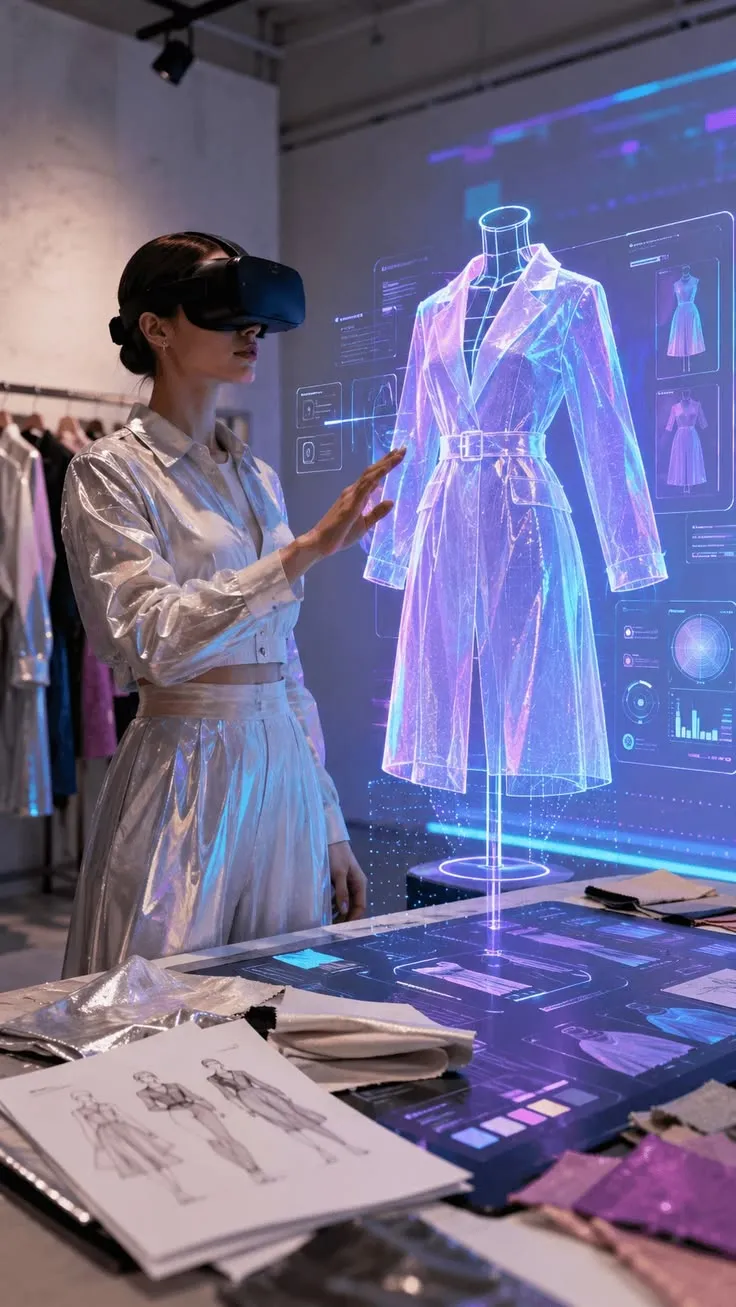
Modern virtual try-on systems typically require a customer to upload a photo or use a full-body image. Advanced AI models then generate a new image showing the selected garment on that person. Unlike earlier augmented reality overlays that sometimes looked like stickers placed on a live camera feed, generative AI accounts for body shape, pose, lighting and fabric behaviour more convincingly. The result is a more natural representation of how a dress, top, jacket or pair of trousers might actually appear when worn.
Generation times have improved, with median processing often measured in seconds. Most usage occurs on mobile devices, reflecting how people shop online. Shoppers can frequently try multiple items or colourways and compare looks side by side.
Impact on Shopper Behaviour and Conversion
Data from active virtual try-on implementations shows clear engagement benefits. Sessions that include at least one try-on record substantially higher add-to-cart rates than sessions without the feature. In recent quarterly measurements across hundreds of stores, try-on sessions reached add-to-cart rates around 33 percent compared with roughly 11 percent for other sessions, representing nearly a threefold difference.
A meaningful share of customers who try items go on to purchase. In one large sample, 64 percent of orders placed after a try-on included the exact product that had been visualised. Overall, about one in fifteen try-ons led to a purchase of that specific item, with higher rates observed for certain categories such as dresses. Many of these decisions happen quickly: a significant portion of post-try-on orders are completed within an hour.
Shoppers who experiment with multiple looks show even stronger purchase intent. Those who generate three or more visualisations are more likely to place an order than those who try only one item. The technology appears to help customers move from consideration to decision with greater confidence.
Reducing Uncertainty and Returns
Fashion returns remain a major cost for retailers, often driven by issues of fit, size and unmet visual expectations. Virtual try-on addresses part of this problem by giving customers a clearer preview before purchase. When shoppers can see how a garment sits on their body shape and proportions, they are less likely to order multiple sizes as a hedge or to buy items that ultimately disappoint.
Retailers and technology providers report reductions in return rates associated with try-on tools. Some pilots have shown notable decreases, including figures in the range of 15 to 40 percent for certain implementations. One large European retailer observed return rate reductions of up to 40 percent in virtual fitting room pilots and has expanded the capability. While results vary by category and implementation quality, the directional benefit is consistent: better visualisation supports more informed buying.
Adoption Across Platforms and Retailers
Major technology companies have integrated try-on features into broader shopping experiences. Google has expanded its try-on capability across search, shopping and image results in multiple markets, allowing users to visualise clothing and footwear from extensive product listings on their own photos. OpenAI has added similar functionality within ChatGPT, enabling users to upload images and generate try-on visuals for products discovered in conversation or from external sources.
Independent tools and ecommerce plugins have also proliferated, particularly on platforms such as Shopify. Hundreds of stores now offer try-on experiences, with usage volumes growing quarter over quarter. Clothing remains the dominant category, though applications extend to eyewear, footwear and accessories.
Benefits for Retailers and the Broader Industry
For brands and retailers, virtual try-on delivers several practical advantages. Higher engagement and conversion rates improve sales performance. Reduced returns lower logistics costs and minimise waste associated with reverse shipping and restocking. The technology also supports better customer experience by narrowing the gap between online browsing and physical try-on.
On the content side, AI tools help generate on-model imagery at scale, reducing reliance on traditional photoshoots for every variant. This can speed product launches and support more diverse visual representation.
Market estimates for virtual try-on technology show strong growth trajectories, reflecting rising investment and adoption. As the underlying models improve in realism and speed, the feature is becoming a standard expectation rather than a novelty for fashion shoppers.
Limitations and Ongoing Development
Virtual try-on is not perfect. Accuracy depends on the quality of the uploaded photo, the sophistication of the model and how well the system handles complex fabrics or unusual body poses. It does not replace precise size recommendation systems; the two work best together. Privacy considerations around uploaded images also require careful handling by platforms.
Despite these constraints, continuous advances in generative models are steadily improving output quality, including more natural fabric drape, better lighting consistency and finer detail.
Looking Ahead
AI virtual try-ons are reshaping online fashion retail by addressing one of its longest-standing pain points: the inability to try before buying. Higher conversion, faster purchase decisions and potential reductions in returns demonstrate measurable value for both shoppers and sellers. As the technology becomes more widely available across search engines, chat interfaces and individual storefronts, it is moving from an experimental add-on to an integral part of the digital shopping journey. The result is a more confident, efficient and visually informed way to buy clothes online.
Read more – Hairstylespark.com
