
The fashion industry accounts for a significant share of global environmental impact, contributing between 2 and 8 percent of greenhouse gas emissions and generating substantial water use, chemical pollution, and textile waste. Every second, the equivalent of a garbage truck of clothing is incinerated or sent to landfill. Clothing production has roughly doubled in recent decades while the average number of times garments are worn has declined.
Building an eco-friendly wardrobe offers a practical response. Sustainable fashion focuses on reducing consumption, choosing lower-impact materials, extending garment life, and supporting circular systems. These approaches help individuals lower their personal footprint while creating a more intentional and lasting style.
Start by Auditing What You Already Own
The most effective first step requires no purchase. Review existing clothes to identify what is worn regularly, what fits well, and what can be repaired or restyled. Many people discover they already own versatile pieces that form a strong foundation.
A simple method is to reverse hangers or track usage over several weeks. Items that remain unworn can be donated, sold, or upcycled. This process reduces the urge to buy impulsively and highlights genuine gaps rather than perceived needs. Extending the active life of clothing by even nine months can reduce its carbon, water, and waste footprints by up to 20 percent according to research.
Prioritize Buying Less and Choosing Quality
Reducing overall purchases remains the single most powerful action. Fast fashion encourages frequent turnover of low-cost items that often wear out quickly. Shifting toward fewer, better-made pieces changes the economics of a wardrobe.
Focus on cost per wear rather than initial price. A higher-quality item worn many times becomes more economical and environmentally preferable than multiple cheap alternatives that require frequent replacement. Look for strong construction details such as even stitching, secure seams, and durable hardware. Classic, versatile silhouettes in neutral colors mix easily and remain relevant across seasons.
Select Lower-Impact Materials
Fabric choice significantly influences a garment’s environmental profile. Natural fibers such as organic cotton, linen, hemp, and responsibly sourced wool generally perform better than conventional synthetics in terms of biodegradability and reduced microplastic shedding. Organic cotton uses fewer pesticides and less water than conventional cotton in many production systems. Linen and hemp require relatively low water and chemical inputs and biodegrade more readily.
Recycled polyester offers an improvement over virgin polyester for performance fabrics when stretch or durability is required, though it still contributes to microplastic concerns. Look for independent certifications such as the Global Organic Textile Standard for organic claims, OEKO-TEX for chemical safety, and Fair Trade or similar labels for labor standards. These provide clearer evidence than vague marketing terms.
Embrace Secondhand and Circular Options
Secondhand shopping keeps existing garments in use and avoids the impacts of new production. Pre-owned markets, including thrift stores, online platforms, and brand take-back programs, have grown substantially. Many luxury and mainstream shoppers now check resale options before purchasing new items.
Circular approaches such as repair, rental, upcycling, and resale programs further extend product life. Simple repairs—replacing buttons, mending seams, or adjusting hems—can restore functionality. Upcycling transforms underused pieces into new styles. When items reach the end of their wearable life, responsible recycling or take-back schemes help recover materials rather than sending them to landfill.
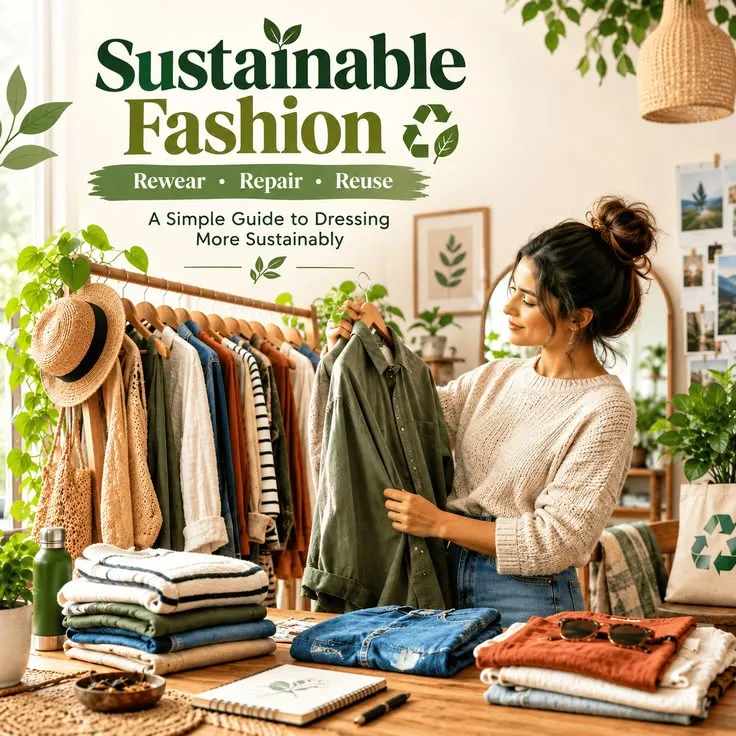
Build a Capsule-Style Foundation
A capsule approach centers on a limited number of interchangeable pieces, often around 20 to 30 core items depending on lifestyle and climate. A neutral base of trousers, tops, a structured jacket, a coat, and versatile shoes creates multiple outfit combinations. Accent colors or distinctive accessories can be added sparingly for variety.
This structure reduces decision fatigue and the temptation to acquire trend-driven pieces that see limited use. Versatile items that work across seasons and occasions maximize utility. The goal is not strict minimalism but intentional curation that matches real daily needs.
Care, Repair, and Maintain What You Own
Proper care extends garment lifespan. Follow washing instructions carefully, prefer cooler temperatures when suitable, and air dry when possible to reduce energy use and fabric wear. Store items thoughtfully—fold knits, use shaped hangers for structured pieces, and protect against moths or moisture.
Learning basic repair skills or using local alteration services prevents premature disposal. Rotating frequently worn items reduces strain on favorites. These habits turn clothing ownership into stewardship rather than temporary consumption.
Shop Intentionally Going Forward
When new purchases become necessary, plan them carefully. Create a short list of actual needs based on the wardrobe audit. Prefer brands that demonstrate transparency about materials, manufacturing, and supply chains. Small-batch or made-to-order models can reduce overproduction compared with high-volume fast fashion.
Avoid impulse buys driven by fleeting trends. Timeless design paired with durable construction supports longer use. Supporting companies that offer repair services, take-back programs, or resale platforms reinforces circular practices.
The Broader Context of Sustainable Fashion Trends
Current trends emphasize circularity, material innovation, digital product information that tracks a garment’s impact, and greater consumer awareness of overconsumption. Brands and platforms increasingly facilitate resale, repair, and recycling. At the same time, individual choices remain powerful because collective demand shapes industry direction.
Sustainable fashion is not an all-or-nothing standard. Progress comes from consistent small decisions: wearing existing clothes longer, repairing when possible, choosing secondhand or better materials when buying, and resisting the cycle of constant newness. Over time these practices build a wardrobe that is more personal, more durable, and lighter on the planet.
An eco-friendly wardrobe reflects both style and responsibility. By focusing on longevity, quality, and circular thinking, individuals can enjoy clothing that serves them well while contributing to a more sustainable fashion system.
Read more – llookwhatmomfound.com
