
India has approved the export of electricity to Nepal for 18 hours a day to help the neighbouring country manage a sharp shortfall in domestic generation caused by recent floods. The decision, announced by the Ministry of Power, allows supplies of up to 654 megawatts from mid-September until the end of December 2026 and underscores the close energy partnership between the two countries at a time of acute need.
Details of the Approval
The Ministry of Power has authorised power exports to the Nepal Electricity Authority for 18 hours daily, running from midnight to 6 pm. The arrangement is effective from September 13 to December 31, 2026. Of the total quantum, up to 600 MW can flow through the Muzaffarpur-Dhalkebar 400 kV double-circuit transmission line, while up to 54 MW can be supplied through the Tanakpur-Mahendranagar 132 kV single-circuit line.
The volume of electricity to be exported from January 2027 will be reviewed in December 2026, allowing both sides to reassess requirements once more information on Nepal’s recovery is available. The timing of the daily supply window largely aligns with periods of strong solar generation in India, when daytime availability is higher.
Why Nepal Needed Early Support
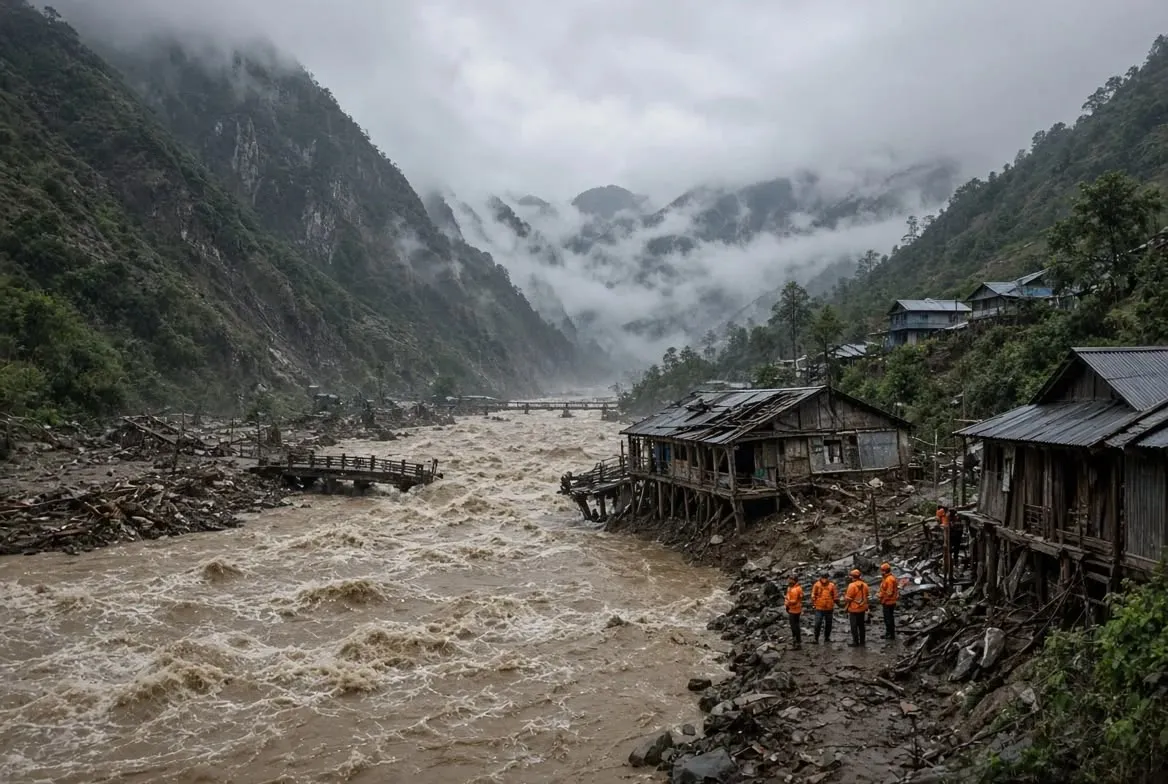
Nepal’s electricity system is heavily dependent on hydropower. The devastating floods of late August, triggered by an ice-rock avalanche near the Nepal-Tibet border, caused extensive damage to generation infrastructure. More than a dozen hydropower plants were swept away or severely affected, and assessments indicated a loss of around 550 MW of domestic capacity.
Before the disaster, Nepal had been expanding its hydropower output and had become an exporter of electricity to India during periods of surplus. After the floods, the country halted its own exports and sought early imports from India to cover domestic shortages in the coming months. Requests of this nature usually arise closer to October; the accelerated timeline reflects the severity of the generation shortfall.
Strengthening Bilateral Energy Cooperation
In its statement, the Ministry of Power noted that the approval would help Nepal meet its power requirements during a difficult period and further strengthen the longstanding energy cooperation between the two countries. India has reiterated its commitment to supporting Nepal and deepening collaboration in the energy sector.
Cross-border electricity trade has grown steadily in recent years through dedicated transmission links and market-based mechanisms. The current arrangement builds on that infrastructure and demonstrates the ability of the two systems to respond flexibly to sudden disruptions. Power can be scheduled through established frameworks, including segments of the Indian power exchanges, ensuring orderly and transparent transactions.
Timing and India’s Own Power Situation
The decision comes at a time when India itself is experiencing elevated electricity demand. Factors such as warm weather, irrigation needs during a relatively dry monsoon period, and lower contributions from wind and hydro sources have kept peak demand high for September. On some recent days, overall peak demand exceeded 260 GW, with tighter conditions during non-solar hours.
Despite these domestic pressures, the government has prioritised support for Nepal. The concentration of exports during the midnight-to-6 pm window helps align the additional outflow with periods when solar generation is contributing significantly to India’s overall supply. This careful scheduling reduces the impact on the evening peak when thermal and other sources face greater strain.
Broader Context of Regional Energy Links
Hydropower remains central to Nepal’s energy landscape and has been a growing source of export revenue in normal years. The recent disaster has temporarily reversed that position, turning a surplus exporter into a net importer for the near term. India’s readiness to supply power on an accelerated schedule illustrates how interconnected the two grids have become and how quickly arrangements can be adjusted when needed.
The transmission corridors used for the current exports—particularly the high-capacity Muzaffarpur-Dhalkebar link—form part of a wider network that enables both seasonal exchanges and emergency support. Continued investment in interconnections and coordinated planning will be important for managing future variability, whether caused by weather extremes, seasonal demand shifts or generation outages.
Looking Ahead
The present approval covers the remainder of 2026. A review scheduled for December will determine the quantum required from January 2027 onward. By then, Nepal may have a clearer picture of how quickly damaged plants can be restored or replaced and how domestic demand is evolving through the winter months.
For Nepal, reliable imports will help stabilise electricity supply for households, businesses and essential services while reconstruction of hydropower assets proceeds. For India, the arrangement reinforces its role as a supportive regional partner and demonstrates the operational maturity of cross-border electricity trade.
The floods of August highlighted the vulnerability of Himalayan hydropower infrastructure to extreme weather events. At the same time, the rapid bilateral response shows that established energy cooperation frameworks can provide a practical safety net. As both countries continue to expand clean energy capacity—solar in India and hydropower in Nepal—the ability to share resources flexibly will remain an important element of regional energy security.
India’s decision to supply up to 654 MW for 18 hours a day until the end of the year is a concrete expression of that flexibility. It addresses an immediate shortfall in Nepal while preserving the longer-term trajectory of growing electricity trade and mutual support between the two neighbours.
Read more – huggymonster.com
