
There are actors whose reputations precede them so thoroughly that approaching their work feels almost intimidating. For years, Mammootty existed for me as a distant legend of Malayalam cinema—someone spoken of with reverence by those who knew the craft deeply, yet remaining outside my regular viewing habits. When I finally began watching his films in earnest, the experience proved transformative. What emerged was not merely a skilled performer but an artist of rare range, consistency, and quiet intensity. After working through a substantial portion of his filmography, the reasons for his stature became unmistakable.
A Career Built on Fearless Range
Mammootty’s body of work stretches across more than five decades and exceeds 400 films. He has moved fluidly between commercial entertainers and demanding art-house cinema, between larger-than-life heroes and deeply flawed, sometimes unlikable characters. This refusal to remain confined to a single image sets him apart. In an industry that often rewards repetition, he has repeatedly chosen roles that risk alienating parts of his audience.
Consider the historical intensity of Chandu Chekavar in Oru Vadakkan Veeragatha, a performance that reimagined a folkloric figure with moral complexity and earned him a National Film Award for Best Actor. Or the restrained, almost invisible power of his work in Adoor Gopalakrishnan’s Mathilukal, where longing and isolation are conveyed with minimal dialogue. These are not isolated peaks. The same actor later delivered the uncompromising brutality of the landlord in Vidheyan, the quiet dignity of Dr. B.R. Ambedkar in the bilingual biopic that brought him a third National Award, and, more recently, the unsettling presence of Kodumon Potti in the black-and-white folk horror Bramayugam.
What unites these performances is a commitment to the character rather than to the star. Mammootty does not soften edges for comfort. He allows discomfort, ambiguity, and moral grey areas to remain intact.
The Craft of Continuous Reinvention
Many actors plateau once they achieve widespread recognition. Mammootty has treated recognition as a platform for further experimentation. In the later stages of his career, he has taken on roles that challenge conventional notions of masculinity and heroism. In Kaathal – The Core, he portrayed a middle-aged man confronting his sexuality with understated honesty. In other recent films, he has played characters defined by obsession, prejudice, or moral failure without seeking audience sympathy.
This willingness to reinvent himself is not accidental. Colleagues and critics have long noted his self-critical approach. He has spoken of continuous effort and the need to polish every aspect of performance. The result is an actor who, even after decades, still appears to be refining his instrument rather than resting on past achievements. His recent recognition with the Padma Bhushan reflects not only longevity but sustained excellence.
Balancing Mass Appeal and Artistic Ambition
One of the most striking aspects of Mammootty’s career is the seamless movement between mainstream success and critical acclaim. He has headlined commercial hits that draw large audiences while simultaneously collaborating with directors known for rigorous, often challenging cinema. This dual track has allowed serious films to reach wider viewers than they might otherwise have found, while also preventing his mass appeal from becoming formulaic.
The detective Sethurama Iyer series demonstrated his ability to sustain a popular franchise. At the same time, films such as Ponthan Mada and Bhoothakkannadi showed a commitment to roles that demand physical and emotional transformation. Few actors of comparable stature have maintained this balance for so long without sacrificing either commercial viability or artistic credibility.
Why the Late Discovery Feels Significant
Coming to an actor’s work late can be an advantage. Without the filter of contemporary hype or peer pressure, the films are encountered on their own terms. The cumulative effect of watching Mammootty across different eras and genres is the realisation of how consistently he has served the story. There is no single “Mammootty style” that overrides every character. Instead, there is a disciplined adaptability that makes each role feel distinct.
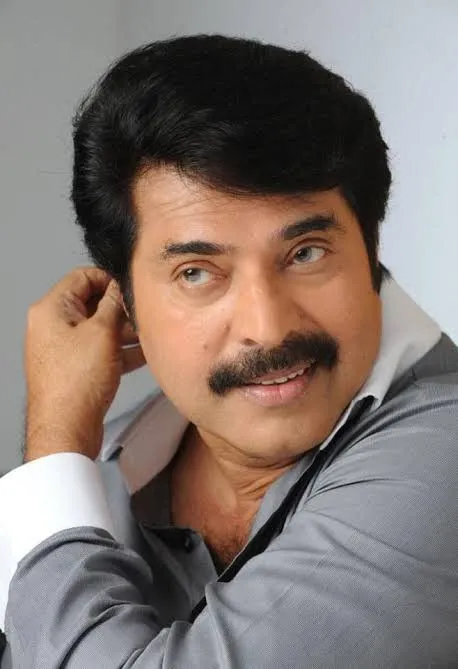
This quality explains the high regard in which he is held by fellow actors and serious viewers of Indian cinema. Comparisons to other greats often emphasise different schools of performance—some more instinctive, others more methodical. Mammootty belongs firmly among those who treat acting as a craft requiring constant attention. His body of work demonstrates that longevity and relevance need not come at the cost of risk.
An Enduring Standard
In an age of rapidly shifting audience attention and algorithm-driven popularity, Mammootty’s career offers a different model. It prioritises substance over momentary trends and depth over easy repetition. The films remain available for discovery, and each viewing rewards closer attention. For those who, like me, arrive later to his cinema, the experience is not one of catching up to a reputation but of understanding why that reputation was built in the first place.
Mammootty’s greatness does not rest on any single performance or award, though the National Awards, state honours, and civilian recognitions mark important milestones. It rests on a lifetime of choices that privileged the demands of the role above the comfort of the image. That is a rare achievement in any film industry, and it is why, after finally engaging with his work at length, the conclusion feels both inevitable and deeply earned: he stands among the finest actors Indian cinema has produced.
Read more – Thepowerfuldua.com , yandex-games.org
