
Living in a small home does not mean accepting constant clutter or feeling restricted. With thoughtful strategies, even compact apartments and modest houses can feel open, functional, and calm. The key lies in reducing excess, using every available inch intelligently, and maintaining systems that prevent disorder from returning. This guide offers practical, proven approaches to organising small spaces so they work harder and feel larger.
Start with Decluttering
The most effective organisation begins with subtraction. Small spaces quickly become overwhelmed when they contain more belongings than they can comfortably hold. Before buying storage solutions, evaluate what you own. Keep items that are useful, frequently used, or genuinely meaningful. Let go of duplicates, broken objects, clothes that no longer fit, and things kept only out of guilt or vague future possibility.
Decluttering is not a one-time event. Regular reviews—seasonal or monthly—prevent accumulation. When every item has to justify the space it occupies, the home remains manageable. Many people discover that the space itself was never the core problem; excess possessions were.
Create Functional Zones
In smaller homes, rooms often serve multiple purposes. Defining zones helps maintain order and improves how the space feels. A living area might include a seating zone, a work corner, and a reading nook. Visual or physical dividers such as a rug, a low shelf, or a folding screen can separate activities without building walls.
Clear zones make it easier to return items to their proper place and reduce the sense of chaos that comes from everything blending together. Even a tiny studio benefits from distinguishing where you sleep, eat, work, and relax.
Maximise Vertical Space
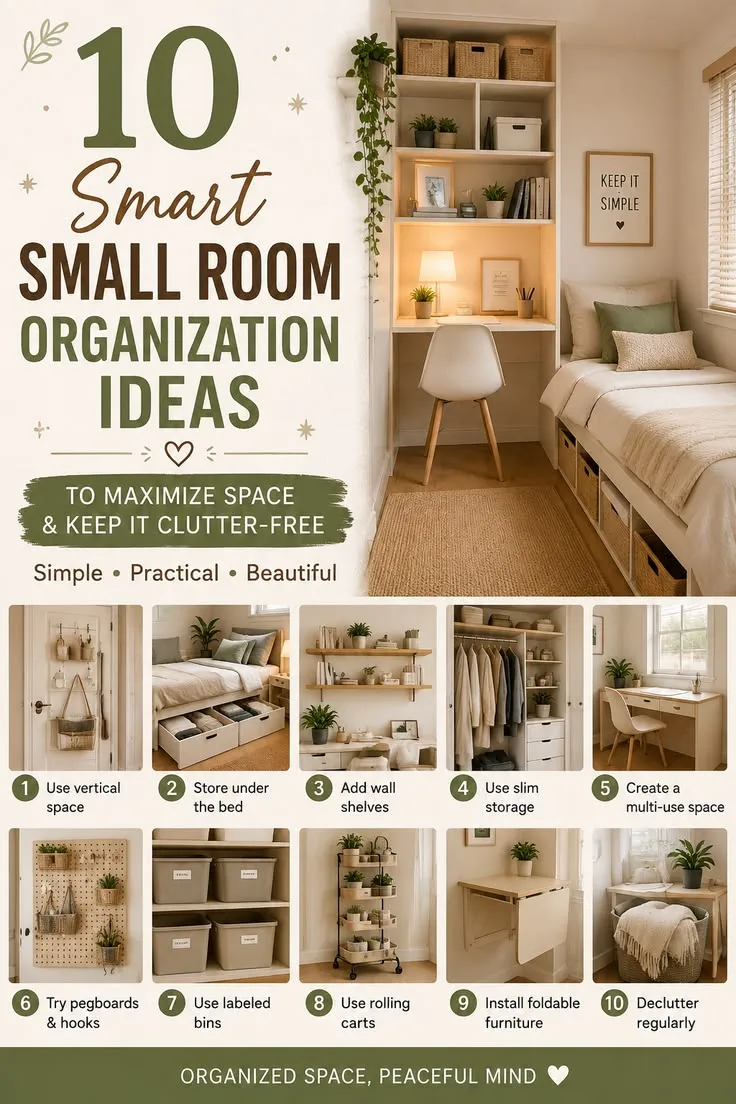
When floor space is limited, look upward. Walls, the backs of doors, and high shelves offer valuable storage that often goes unused. Floating shelves, tall bookcases, pegboards, and wall-mounted cabinets free up surfaces and floors. In kitchens, magnetic strips for knives and wall-mounted racks for utensils keep counters clear. In bathrooms, shelves above the toilet or over-door organisers add capacity without crowding the room.
Using vertical space draws the eye upward and can make a room feel taller and more open. Just ensure that frequently needed items remain within easy reach, while lesser-used belongings can go higher.
Choose Multi-Functional Furniture
Furniture that serves more than one purpose is especially valuable in small homes. Storage beds with drawers or lift-up bases hide clothing, linens, or seasonal items. Ottomans and benches with hidden compartments provide seating and storage simultaneously. Expandable or drop-leaf tables adapt to different needs. Nesting tables or stackable stools can be deployed when required and tucked away afterward.
Fold-down desks, wall beds, and extendable seating offer flexibility for homes that must accommodate work, guests, and daily living in limited square footage. Measuring carefully and prioritising scale ensures new pieces fit without overwhelming the room.
Use Smart Storage Solutions
Under-utilised areas often hold the greatest potential. Under-bed storage containers capture space that would otherwise remain empty. The backs of doors can hold hooks, shoe organisers, or slim racks. Corner shelves turn awkward angles into useful storage. Clear or labelled bins make it easy to see contents and maintain order.
In closets, adding a second hanging rod, shelf dividers, or uniform hangers increases capacity and visual calm. Drawer organisers prevent small items from becoming jumbled. Matching containers create a sense of order even when storage is extensive.
Keep Surfaces Clear
Clear surfaces contribute strongly to the feeling of space. Limit countertop, table, and desk items to those used daily. Everything else belongs in a cupboard, drawer, or designated storage area. When surfaces remain largely empty, rooms feel larger and cleaning becomes easier.
A simple rule helps: for every new item that comes into the home, consider whether something else should leave. This habit prevents gradual overcrowding.
Organise by Frequency of Use
Store items according to how often they are needed. Daily-use objects should be the most accessible. Occasional items can occupy higher shelves or deeper storage. Seasonal belongings can be rotated and stored out of the way when not in use. This approach reduces friction in daily routines and keeps the most visible areas dedicated to what matters most.
Maintain Order with Simple Systems
Organisation only lasts when it is easy to maintain. Create a place for everything and return items after use. A short daily tidy—five to ten minutes—prevents small messes from becoming overwhelming. Involve everyone in the household so that systems are shared rather than dependent on one person.
Avoid overly complicated systems. If a storage method requires too many steps, it is less likely to be followed consistently. Simple, intuitive arrangements work best in the long term.
Address Specific Areas
Kitchens benefit from tiered shelf organisers, door-mounted racks, and drawer dividers. Bathrooms respond well to over-toilet shelving, shower caddies, and limited countertop products. Entryways need designated spots for keys, bags, and shoes so clutter does not spread into the rest of the home. Closets and wardrobes improve dramatically with consistent hangers, seasonal rotation, and honest editing of clothes that are no longer worn.
The Psychological Benefits of an Organised Small Space
An orderly environment reduces visual stress and decision fatigue. When belongings are easy to find and surfaces are clear, daily life feels calmer and more efficient. Small spaces that are well organised often feel more spacious than larger homes filled with unmanaged clutter. The sense of control and competence that comes from maintaining order supports overall wellbeing.
Getting Started Without Overwhelm
Begin with one small area rather than attempting the entire home at once. A single drawer, a shelf, or a corner of a room can demonstrate progress and build momentum. Celebrate completed zones and use that energy to move to the next. Consistency over intensity produces lasting results.
Conclusion: Making Small Spaces Work Beautifully
Organising a small home is less about owning fewer square metres and more about making deliberate choices. Decluttering creates capacity. Vertical storage, multi-functional furniture, and thoughtful zones expand usefulness. Clear surfaces and simple maintenance habits preserve the gains.
With these strategies, a compact living space can feel open, efficient, and comfortable. The goal is not perfection but a home that supports daily life without constant struggle against clutter. By treating space as a valuable resource and organising it with intention, even the smallest homes can offer room to breathe, work, rest, and enjoy.
Read more – topstablegames.com
