
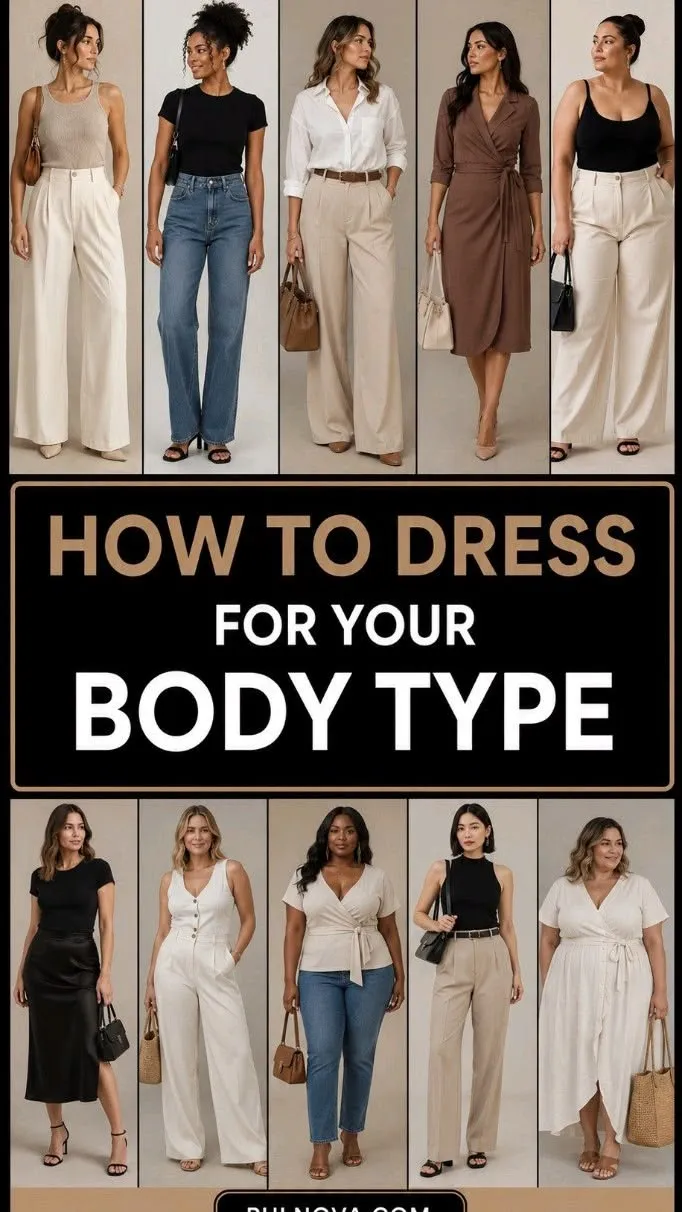
Knowing how to dress according to your body type is one of the most effective ways to enhance your appearance and build confidence. Fashion is not about fitting into a single standard of beauty; it is about understanding your unique body shape and choosing clothing that complements your natural proportions. When you wear outfits that suit your body type, you can create a balanced silhouette, highlight your favorite features, and feel comfortable in your everyday style.
Everyone has a different body shape, and there is no “perfect” body type. The key to great dressing lies in selecting clothes that fit properly, flatter your figure, and reflect your personality. Factors such as fabric, fit, color, patterns, and accessories all contribute to creating a polished and stylish look. By understanding your body shape and following a few practical styling principles, you can build a wardrobe that is both fashionable and functional.
Why Dressing for Your Body Type Matters
Choosing clothes based on your body type helps improve overall appearance by creating balance and proportion. Rather than following every fashion trend, understanding what works for your unique shape allows you to make smarter wardrobe decisions. Properly fitted clothing not only enhances your silhouette but also increases comfort and confidence.
Fashion experts emphasize that style should focus on celebrating individuality rather than hiding imperfections. Dressing according to your body type helps you make better use of your wardrobe and reduces the frustration of buying clothes that do not fit well or feel comfortable.
Benefits of dressing for your body type include:
-
Creates a balanced silhouette.
-
Improves overall appearance.
-
Boosts self-confidence.
-
Enhances comfort.
-
Makes shopping easier.
-
Helps build a versatile wardrobe.
Understanding the Different Body Types
Before choosing outfits, it is important to identify your body shape. Although everyone’s body is unique, fashion experts commonly group body types into several general categories based on shoulder, waist, and hip proportions. These categories serve as style guidelines rather than strict rules.
The most commonly recognized body types include:
-
Hourglass
-
Pear (Triangle)
-
Apple (Round)
-
Rectangle
-
Inverted Triangle
Understanding your body type allows you to select clothing that enhances your natural proportions while maintaining balance.
Dressing for an Hourglass Body Shape
An hourglass body shape is generally characterized by balanced shoulders and hips with a naturally defined waist. The goal when dressing this body type is to highlight the waist while maintaining the body’s natural proportions.
Clothing that follows the body’s natural curves often works well for this shape. Tailored garments, wrap dresses, and fitted blazers help emphasize the waist without adding unnecessary volume. Well-fitted clothing generally creates an elegant and balanced appearance.
Style tips for an hourglass body include:
-
Choose fitted dresses and tops.
-
Highlight the waist with belts.
-
Wear tailored jackets.
-
Select high-waisted trousers.
-
Avoid overly loose clothing.
Dressing for a Pear Body Shape
A pear-shaped body typically features hips that are wider than the shoulders, with a well-defined waist. Styling this body type often focuses on balancing the upper and lower body by drawing attention toward the shoulders and neckline.
Structured tops, interesting necklines, and lighter-colored upper garments can help create visual balance. Darker-colored bottoms and well-fitted trousers may complement the natural proportions without overwhelming the figure.
Style tips for a pear-shaped body include:
-
Wear tops with detailed necklines.
-
Choose structured shoulders.
-
Select A-line dresses.
-
Opt for straight-leg trousers.
-
Use accessories to highlight the upper body.
Dressing for an Apple Body Shape
An apple-shaped body generally carries more fullness around the midsection while having comparatively slimmer legs and hips. The goal is often to create a balanced silhouette by drawing attention to the neckline, legs, and overall vertical shape.
Clothing with clean lines, flowing fabrics, and V-neck designs can help create a streamlined appearance. Structured jackets and longer tops often provide additional balance while maintaining comfort.
Style tips for an apple body include:
-
Choose V-neck tops.
-
Wear empire-waist dresses.
-
Select straight-cut garments.
-
Highlight the legs.
-
Avoid excessively tight clothing around the waist.
Dressing for a Rectangle Body Shape
A rectangle body shape usually has shoulders, waist, and hips with similar proportions. The styling goal is to create the appearance of more defined curves by adding dimension to different areas of the body.
Layering, textured fabrics, peplum tops, and belted outfits can help create shape and visual interest. Mixing different clothing styles also allows greater flexibility when building outfits.
Style tips for a rectangle body include:
-
Add definition with belts.
-
Choose peplum tops.
-
Layer jackets and cardigans.
-
Wear flared skirts.
-
Experiment with textured fabrics.
Dressing for an Inverted Triangle Body Shape
An inverted triangle body shape is generally characterized by broader shoulders and a narrower lower body. Styling focuses on balancing proportions by adding visual interest to the hips while softening the upper body.
Simple tops combined with patterned or fuller skirts and trousers can help create better proportion. Wide-leg pants and A-line skirts often work well for this body type.
Style tips for an inverted triangle include:
-
Wear wide-leg trousers.
-
Choose A-line skirts.
-
Keep shoulder details minimal.
-
Add volume to the lower body.
-
Select balanced silhouettes.
Choose the Right Fabrics and Fit
Regardless of body type, proper fit is one of the most important aspects of good style. Clothing that is too tight or excessively loose may not provide the most flattering appearance. Well-fitted garments allow natural movement while maintaining a polished look.
Fabric choice also affects how clothing drapes over the body. Structured fabrics create definition, while softer materials offer fluid movement. Selecting fabrics appropriate for both body shape and occasion improves overall comfort and appearance.
Important fabric and fit tips include:
-
Prioritize proper tailoring.
-
Choose quality fabrics.
-
Avoid oversized clothing unless intentionally styled.
-
Ensure comfortable movement.
-
Focus on clean lines.
Use Colors and Patterns Strategically
Color and pattern placement can influence how proportions appear visually. Darker colors often create a streamlined appearance, while lighter shades naturally draw attention. Vertical patterns may create the impression of height, whereas horizontal patterns can add width depending on placement.
Instead of avoiding certain colors, focus on using them strategically to emphasize areas you want to highlight while creating overall balance.
Helpful styling ideas include:
-
Use darker shades for areas you want to minimize.
-
Wear brighter colors to attract attention.
-
Try vertical stripes for elongation.
-
Balance bold patterns with solid colors.
-
Coordinate colors thoughtfully.
Accessorize to Enhance Your Look
Accessories play an important role in completing any outfit. Scarves, belts, handbags, jewelry, and shoes can influence the overall appearance by directing attention to specific areas and adding personality to your style.
The right accessories should complement your outfit rather than overpower it. Choosing accessories according to body proportions helps create harmony throughout the entire look.
Popular accessories include:
-
Statement necklaces.
-
Belts to define the waist.
-
Structured handbags.
-
Elegant scarves.
-
Comfortable and stylish footwear.
Common Dressing Mistakes to Avoid
Many people make fashion choices based solely on current trends without considering fit or body proportions. While trends can be fun, they do not suit every individual equally. Wearing clothes simply because they are fashionable may reduce comfort and confidence.
Understanding your body shape allows you to avoid common styling mistakes while creating a wardrobe that reflects your personal style.
Common mistakes include:
-
Buying clothes without trying them on.
-
Ignoring proper fit.
-
Wearing styles that restrict movement.
-
Choosing trends over comfort.
-
Neglecting tailoring.
-
Over-accessorizing outfits.
Build a Wardrobe That Reflects Your Personal Style
A successful wardrobe combines flattering clothing with personal preferences and lifestyle needs. Rather than purchasing numerous trendy items, focus on investing in versatile pieces that can be mixed and matched for different occasions.
Classic wardrobe essentials such as well-fitted jeans, tailored blazers, comfortable dresses, quality shirts, and neutral footwear provide a strong foundation for everyday style. Adding seasonal colors and accessories helps keep outfits fresh without requiring constant wardrobe changes.
Wardrobe essentials include:
-
Tailored blazer.
-
Well-fitted jeans.
-
Neutral trousers.
-
Comfortable dresses.
-
Classic shirts.
-
Quality footwear.
Conclusion
Learning how to dress according to your body type is about understanding your unique proportions and choosing clothing that enhances your natural features. Every body shape has its own strengths, and the right combination of fit, fabric, color, and styling can create balanced, comfortable, and confident looks.
Fashion should empower individuals to express themselves while feeling comfortable in their own skin. By focusing on proper fit, thoughtful styling, and personal confidence rather than unrealistic beauty standards, you can build a wardrobe that suits both your body type and your lifestyle. The best style is one that makes you feel confident, authentic, and ready for any occasion.
